September 15, 2025
Trump’s Rhetorical Flare-Ups: A Pattern of Provocative Accusations
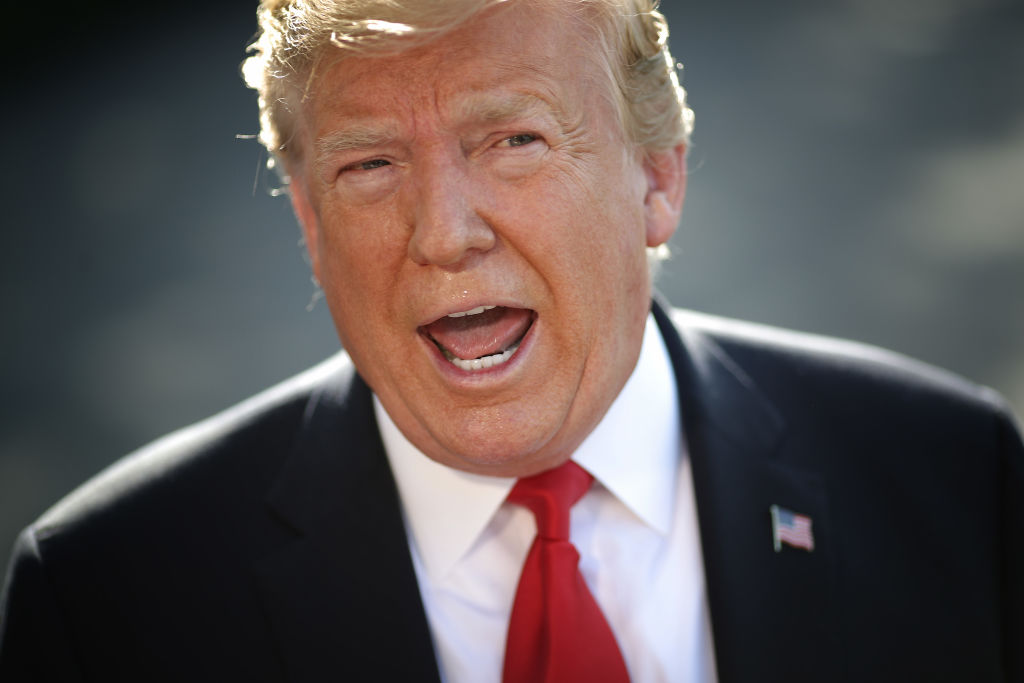
In a striking display of heated political rhetoric, former President Donald Trump has repeatedly utilized extreme language to describe his opponents, invoking terms like “treason,” “Marxists,” and “communists.” This pattern, documented since before the end of his first term, includes accusations against various political adversaries, suggesting severe legal and moral failings.
Trump’s accuser's vocabulary notably shifts depending on his target. For instance, when former Attorney General Jeff Sessions recused himself from the Russia investigation, Trump downgraded his usual accusation of “treason” to “traitor.” This selective intensity in language underscores a strategic pattern in his public discourse.
Beyond name-calling, Trump’s language has escalated to associating his political opponents with historically feared ideologies and regimes. For example, following his indictment by a New York grand jury in 2023, Trump lashed out at President Joe Biden and Democrats, labeling them as “Marxists” and “communists” intent on destroying American democracy. His campaign rhetoric further intensified, claiming that Biden’s administration would transform the United States into a “third world Marxist regime.”
This rhetoric reached a peak when Trump, in various speeches and social media posts, compared the investigative actions against him to practices reminiscent of Nazi Germany, the former Soviet Union, and other authoritarian regimes. Such comparisons aim to evoke a sense of extreme political persecution and are indicative of Trump’s broader strategy to undermine trust in democratic institutions and processes.
In a surprising turn of consistency, Trump has also been on the receiving end of similar accusations. Following the death of Charlie Kirk, Trump condemned the radical left for using dehumanizing comparisons, blaming such rhetoric for contributing to political violence in the U.S. His response highlighted a promise to tackle what he perceives as a systemic issue of targeted political violence, showing a rare moment of reflection on the impacts of inflammatory language.
Trump’s persistent use of charged and provocative language not only shapes his political narrative but also stirs significant controversy and division among the American public. As the political landscape continues to evolve, the implications of such rhetoric remain a point of concern for both the media and the electorate, questioning the long-term effects on democratic dialogue and societal cohesion.