October 21, 2025
Trump Wavers on Commuting Diddy's Sentence Amid Controversy — A Deep Dive into the Mann Act and Political Implications
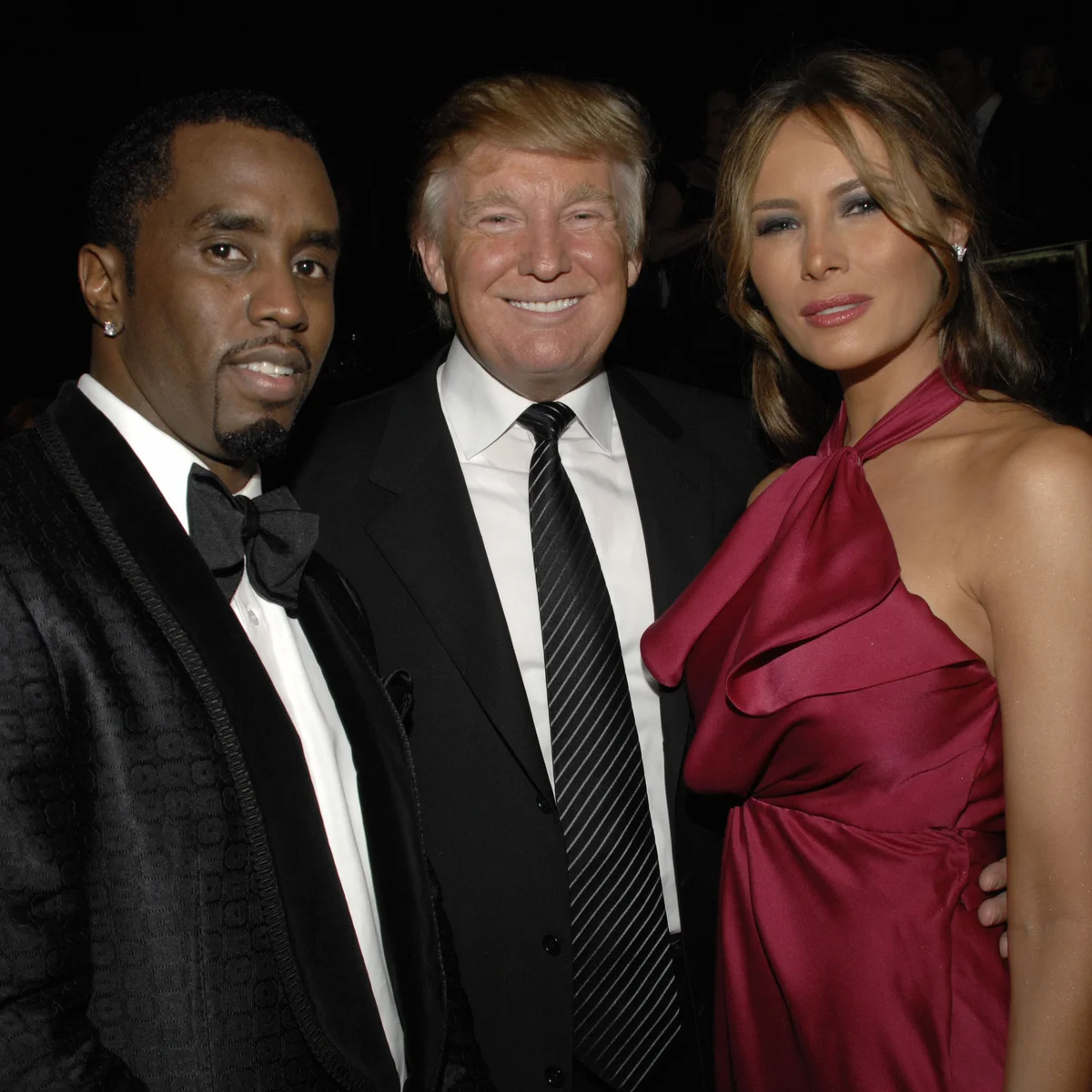
In a move that has Washington insiders and the public alike on edge, President Donald Trump is reportedly undecided about whether to commute the federal prison sentence of Sean "Diddy" Combs. The music mogul could potentially be released from his 50-month sentence for Mann Act violations as early as this week, a senior White House official revealed.
President Trump's contemplation of using his clemency powers has sparked a heated debate across the nation, highlighting issues of celebrity justice and the potential political fallout. Combs, currently serving a four-year term for transporting individuals for prostitution, has completed 13 months of his sentence.
The possibility of a commutation has stirred controversy, especially following Trump's recent clemency to former Congressman George Santos, which critics argue shows a pattern of unpredictable and politically motivated decisions. This pattern raises questions about the fairness and implications of presidential pardoning powers.
Understanding the Mann Act and Its Implications
The Mann Act makes it a federal crime to transport individuals across state lines for prostitution or any illegal sexual activity. Traditionally, this law has been a 'third rail' in political terms, with few presidents willing to intervene in such cases due to the potential backlash.
Trump's potential commutation of Combs' sentence would not erase the conviction but would allow the rapper to leave prison immediately, still branded a felon. This executive power, unchecked by Congress or the judiciary, is sourced from Article II, Section 2 of the U.S. Constitution.
Political and Public Backlash
The debate over Combs' possible commutation is intensified by his previous endorsement of Joe Biden in 2020 and critical remarks about Trump. This history makes any clemency appear potentially transactional, further complicating the optics.
Advocacy groups and legal experts argue that such a move could perpetuate a system of 'celebrity justice,' where status influences the likelihood of receiving presidential mercy. This scenario contrasts starkly with ordinary Americans who often wait years for clemency consideration.
The Road Ahead for Diddy
Should Trump decide to commute his sentence, Combs' return to public life and the entertainment industry will be fraught with challenges. His brand has suffered significant damage, and he will likely face restrictions during any federal post-release supervision. Moreover, his conviction could influence ongoing civil lawsuits, ensuring that legal troubles loom large in his future.
As the nation watches closely, the decision on Combs' commutation is set to shape discussions on justice, power, and politics in America, underscoring the enduring complexities of reconciling law and celebrity.