October 23, 2025
Alec Baldwin's $25 Million Lawsuit Escalates to Federal Court, Challenging Prosecutorial Immunity
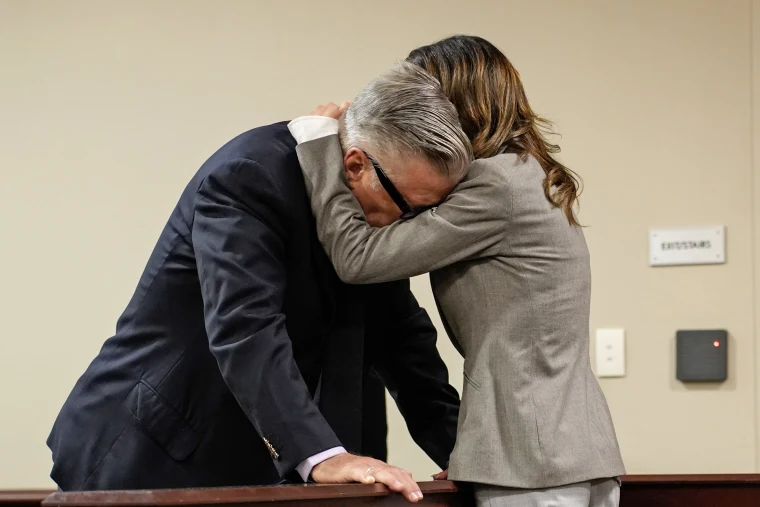
In what marks a significant shift in Alec Baldwin's ongoing legal saga, his malicious prosecution lawsuit against New Mexico authorities has been moved to federal court. Baldwin, whose involuntary manslaughter charge from the "Rust" shooting was dismissed in July 2024, is seeking $25 million for alleged civil rights violations by prosecutors, claiming they intentionally withheld crucial evidence. This transfer elevates the legal battle to a high-stakes national issue centered around prosecutorial immunity.
The case stems from dramatic courtroom events where a New Mexico judge dismissed charges against Baldwin mid-trial. His defense uncovered that live ammunition linked to the fatal shooting had been in the possession of the Santa Fe County Sheriff's office and prosecutors but was not disclosed. The judge described the state’s actions as bordering on "scorching prejudice," laying the groundwork for Baldwin's civil lawsuit.
At the heart of Baldwin's federal claim is the 42 U.S.C. § 1983 statute, which allows citizens to challenge state officials over constitutional rights violations. Baldwin’s suit hinges on proving malicious prosecution, requiring him to demonstrate that the charges were unfounded, and that the prosecutors acted with improper motives, potentially for political or professional gain.
The defense, relying on prosecutorial immunity, may argue that their actions were protected as part of their official duties. However, Baldwin's legal team contends that by allegedly concealing evidence and acting with bias, the prosecutors stepped outside the bounds of this immunity.
This case unfolds amid public scrutiny as Baldwin and his family navigate the glare of a reality TV show and face financial pressures from legal battles and stalled projects. Furthermore, Baldwin faces another civil lawsuit from the family of Halyna Hutchins, the cinematographer fatally shot during the "Rust" incident.
As the case progresses in federal court, it could set precedents for the limits of prosecutorial immunity and redefine accountability for public officials. This high-profile case not only tests the legal waters but also continues to capture the nation's attention as it unfolds in the judicial system.