December 10, 2025
Supreme Court to Review Trump's Controversial "Liberation Day" Tariffs Amidst Legal Challenges
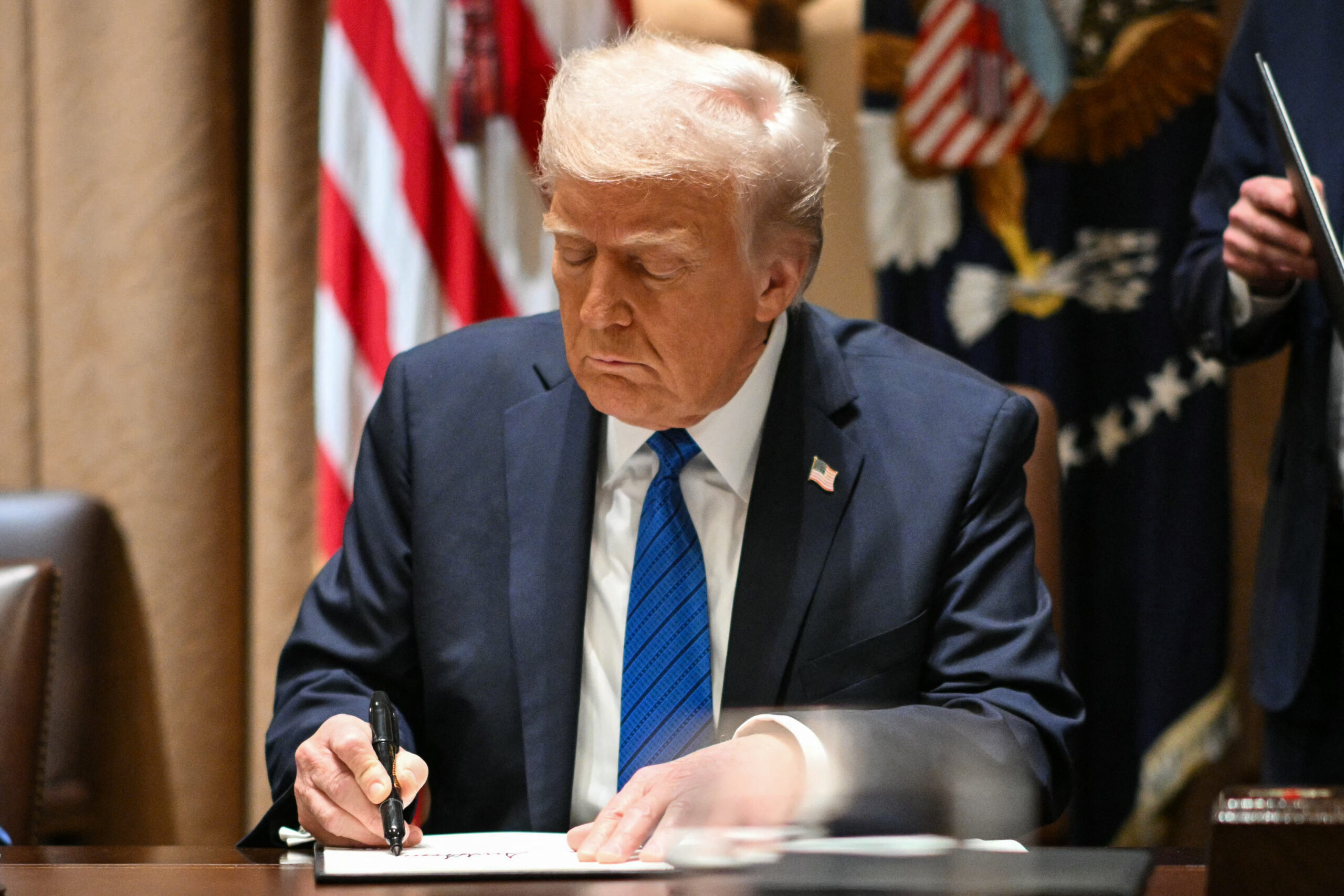
President Donald Trump's extensive use of tariffs, dubbed "Liberation Day" tariffs, has led to a significant legal battle that has reached the Supreme Court. Originally struck down by both the Court of International Trade and the Court of Appeals for the Federal Circuit, the Supreme Court's decision, expected by year-end, could reshape U.S. trade policy and economic strategy. Despite the legal setbacks, Trump remains defiant, suggesting he might use other legal means, such as Sections 232 or 301, to maintain the tariffs if the Supreme Court rules against them.
Since the 1980s, Trump has vocalized his concerns about global trade practices, deeming them unfair to the U.S., and has criticized deals like NAFTA for harming American jobs by encouraging companies to relocate to Mexico for cheaper labor. His response during his presidency included imposing targeted tariffs on specific countries, notably China, which escalated into a trade war marked by reciprocal tariffs.
However, in his second term, Trump expanded tariffs to nearly all countries, invoking the International Emergency Economic Powers Act (IEEPA). This act, traditionally aimed at addressing national emergencies, has raised questions about its use in implementing tariffs, which Trump argues are necessary to correct trade imbalances he views as threats to national security.
These tariffs, ranging from 10% to over 50% on various goods, have already generated over $250 billion. Trump optimistically projects they might bring in up to $1 trillion. Yet, these tariffs have not been without consequences. A study from Yale Budget Lab suggests that these tariffs are expected to reduce the average household's purchasing power by $2,700 in 2025, exacerbating the inflation issues that began in previous years.
In response to rising prices, Trump has proposed measures such as issuing $2,000 checks to middle-class Americans and repealing some food tariffs to curb inflation. However, these measures might not fully offset the tariffs' inflationary effects, and the proposed 50-year mortgages offer little solace to those struggling with immediate price hikes.
If the Supreme Court strikes down the tariffs, Trump faces a critical decision point. The timing of new tariffs could disrupt holiday shopping, potentially leading to immediate price increases as retailers react to the news. A more strategic approach would be to delay significant tariff changes until after the shopping season.
Furthermore, Trump should consider applying tariffs more judiciously, focusing on specific goods directly related to trade imbalances, which could minimize domestic price impacts and reduce the likelihood of further legal challenges. Alternatively, if the objective is to generate revenue, Trump could work with Congress to pass a tariff bill, ensuring clear legislative backing for such fiscal measures.
Trump's approach to tariffs, while intended to correct perceived trade injustices and generate revenue, currently stands on precarious legal and economic foundations. A Supreme Court decision against the tariffs could prompt a more thoughtful and legally sound approach to trade policy, hopefully mitigating the economic strain on American consumers and preserving international relationships.