January 16, 2026
University of Arkansas Law School Dean Appointment Withdrawn Amid Political Controversy
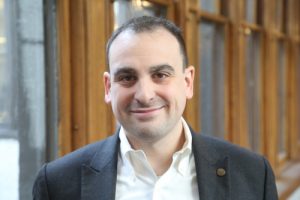
After an extensive two-year search for a new dean, the University of Arkansas at Fayetteville had barely announced Emily Suski's appointment before retracting it a week later, citing a sudden shift due to "feedback from key external stakeholders."
Emily Suski, who previously served as a professor and associate dean at the University of South Carolina’s law school, had her appointment announced on January 9. However, by January 14, the university had reversed its decision. The reversal followed intense scrutiny from conservative political figures, triggered by Suski's participation in a legal brief related to transgender student athletes.
The brief, which Suski signed, argued that under Title IX and existing case law, transgender students should not be forced to compete in sports categories that do not align with their gender identity, particularly if they have not undergone puberty as their identified gender. This legal stance was met with harsh criticism from some lawmakers who interpreted it as a misalignment with traditional gender views.
Senate President Pro Tempore Bart Hester was particularly vocal, suggesting that Suski's views were not representative of Arkansan values, stating, "There’s no way the people of Arkansas want somebody running and educating our next generation of lawyers and judges [to be] someone that doesn’t understand the difference between a man and a woman."
Amid these political pressures, Governor Sarah Huckabee Sanders and Attorney General Tim Griffin also expressed satisfaction with the university's decision to rescind the offer, hinting at broader socio-political implications and the influence of legislative oversight on educational appointments.
The ACLU has spoken out against this decision, labeling it a threat to academic freedom and a dangerous precedent for political interference in educational matters. According to the ACLU, this action could deter public employees from freely expressing their views, under threat of political retribution.
This incident has sparked a heated debate on the balance between political oversight and academic independence, highlighting a growing trend where educational appointments are becoming battlegrounds for cultural and political conflicts. The University's decision has raised concerns about the future of academic freedom and the integrity of the educational appointment process under political scrutiny.