January 26, 2026
Trump's Demand for Praise: A Reflection of Insecurity at the Highest Level
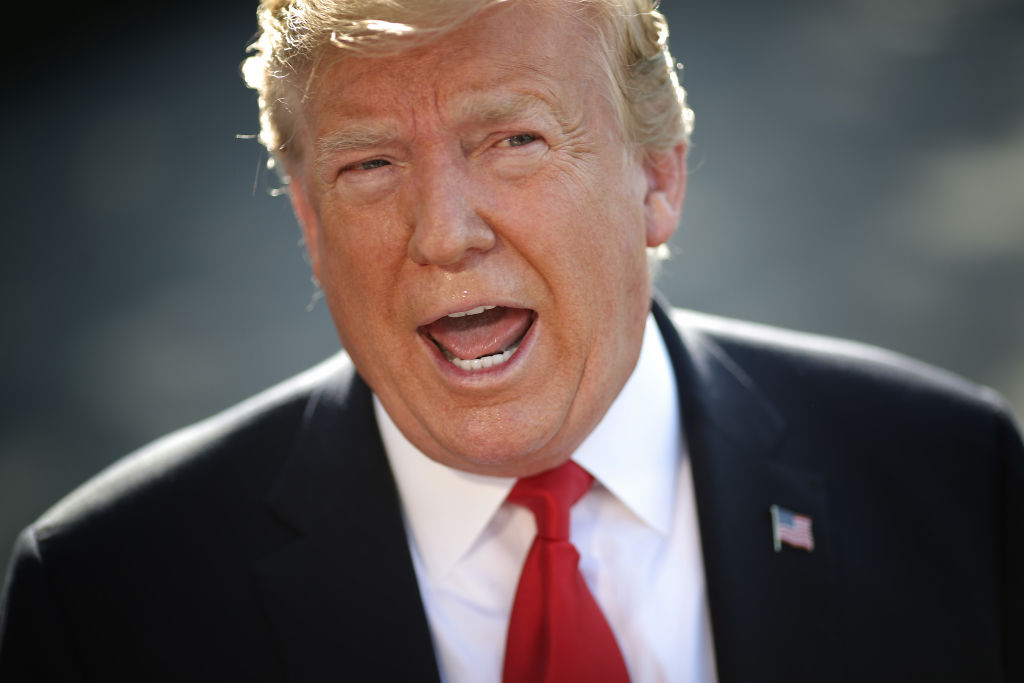
In a display that might be considered bizarre in any other administration, President Donald J. Trump has adopted a ritual of requiring his Cabinet members to shower him with praise during public meetings. This unusual practice not only highlights Trump's own insecurities but also casts a shadow on the dignity of the Cabinet members who comply.
This approach to leadership is starkly different from other high-level executives in both government and business sectors, where such overt displays of flattery are generally viewed with disdain or embarrassment. Typically, leaders are expected to inspire respect and loyalty through their decisions and integrity, not through solicited affirmations.
Trump’s behavior has implications beyond domestic politics. It appears that foreign leaders have also taken note, and they often engage in overt flattery as a strategy to gain favor with him. This tactic was notably evident when Venezuelan opposition leader Maria Corina Machado, a Nobel Peace Prize winner, presented her prize to Trump, accompanying it with high praise in hopes of winning his support.
The irony is palpable when Trump's actions are contrasted with those of true historical figures. For instance, Senator John McCain, who during the Vietnam War declined an early release from captivity out of solidarity with his fellow prisoners, starkly contrasts with Trump’s derogatory comments towards those captured in war. Trump's avoidance of the Vietnam draft due to bone spurs adds another layer to the critique.
Furthermore, Trump’s lack of empathy and humility has been highlighted during global crises, such as his response to NATO allies' contributions during the Afghanistan war, where he undervalued their sacrifices. His refusal to take responsibility for the mishandling of COVID-19 testing in the early stages of the pandemic further underscores a lack of leadership.
Historical leaders like General Dwight D. Eisenhower, who prepared to take full blame for the potential failure of the D-Day invasion, exemplify qualities like responsibility and humility—qualities that seem starkly absent in Trump’s character portrayal.
In a series of actions that range from the controversial to the absurd, Trump has also been criticized for altering the norms of presidential behavior, such as offering free admission to national parks on his birthday and placing his name prominently on institutions traditionally named after other leaders.
This pattern of behavior reinforces the image of a president driven by ego and self-interest, rather than the responsibilities of his office. As Trump continues to demand public adoration, one cannot help but reflect on the implications of such a leadership style on the integrity and effectiveness of the American presidency.