March 4, 2026
Supreme Court Decision Ends IEEPA Tariffs: A Win for Importers but a Mixed Bag for Consumers
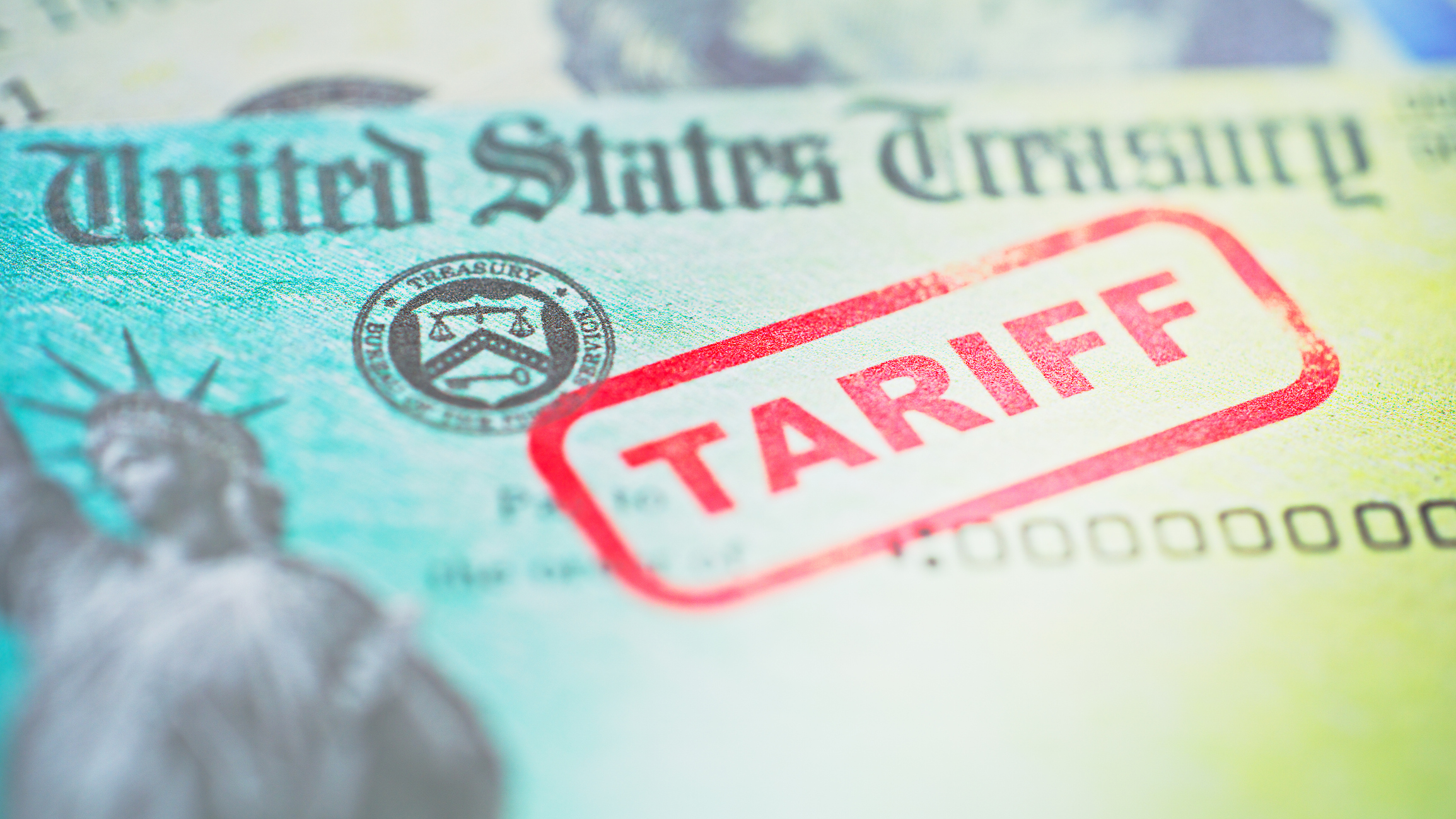
On February 20, 2026, the U.S. Supreme Court declared the use of IEEPA tariffs, particularly the controversial Liberation Day tariffs, unconstitutional in a landmark 6-3 decision. This ruling has led to a flurry of lawsuits from major companies seeking refunds on tariffs previously paid, signaling potential financial relief for businesses affected by the heightened charges.
However, the question of whether these refunds will benefit consumers remains contentious. Tariffs are typically paid by importers at the point of entry, calculated based on the Harmonized Tariff Schedule. Once paid and the goods are cleared, the importer can seek refunds through various means, depending on the liquidation status of the entry. Yet, crucially, any refunds issued are directed to the importer of record, not the consumers who ultimately bear the cost of higher prices.
For consumers, the path to seeing any of the tariff-related price increases reversed is fraught with challenges. Proving that price hikes at the retail level are directly attributable to tariffs is complex. Moreover, even if a connection could be established, consumers are not entitled to seek refunds directly from U.S. Customs and Border Protection (CBP) as they are not the importers of record.
There is a silver lining for customers of certain larger businesses. Companies like FedEx have committed publicly to passing any recovered tariff refunds back to their customers. However, such policies are not universally adopted, and many small businesses and retailers may lack the financial incentive or capability to do the same.
For the average consumer, especially those purchasing imported goods indirectly through retailers or intermediaries, the Supreme Court's decision may not translate into tangible financial relief. While importers celebrate their legal victories and potential financial recuperation, consumers are left navigating a complex landscape with little assurance of benefiting from the tariff eliminations.
As the legal battles unfold and businesses begin receiving refunds, the broader economic impact of the Supreme Court's decision will become clearer. However, for now, consumers may need to temper their expectations about seeing a decrease in prices as a direct result of this ruling. The decision marks a significant shift in trade policy and its interpretation, yet the direct benefits to consumers remain uncertain and, at best, uneven.