March 16, 2026
Implications and Challenges: The Complex Scenario of Ending the Iran Conflict
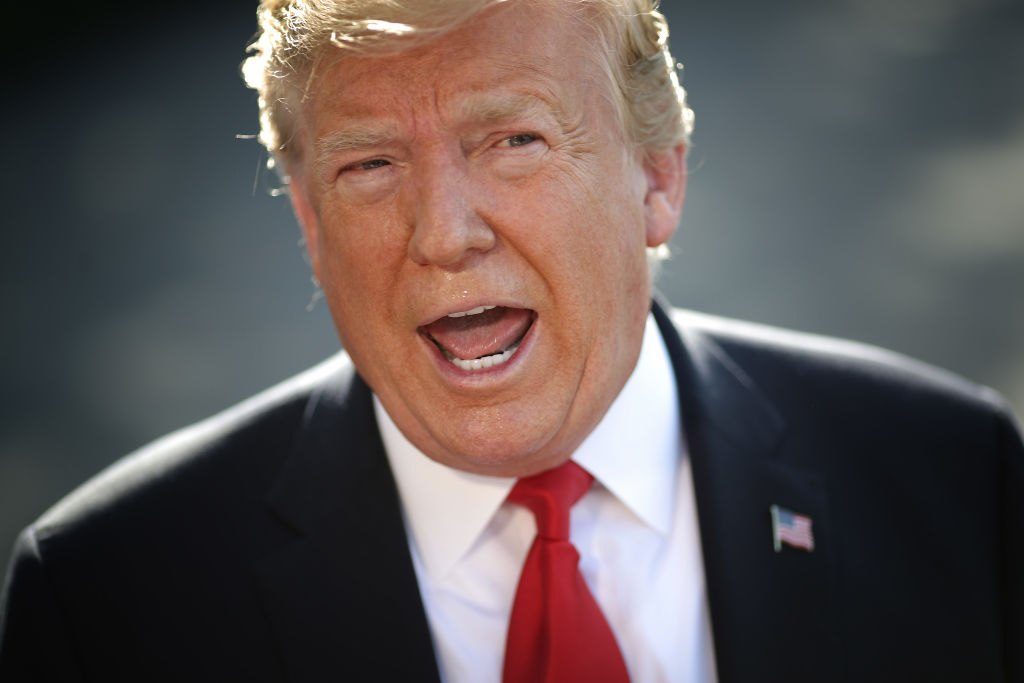
As the dynamics surrounding President Donald Trump's potential declaration of victory in Iran unfold, the situation reveals layers of complexity that could influence global politics and military strategies significantly.
Trump's anticipated move to declare an end to military operations in Iran by early summer is seen as a strategic decision aimed at avoiding any adverse impacts on the upcoming midterm elections. However, this decision carries significant ramifications, particularly concerning Iran's stockpile of enriched uranium and the strategic Strait of Hormuz.
Iran currently holds about 900 pounds of enriched uranium, sufficient to potentially create up to 10 nuclear weapons. This poses a stark question: what happens to this dangerous material if the U.S. withdraws its forces? The scenarios range from Iran retaining the capability to rapidly produce nuclear weapons if the current regime remains in power, to the risk of these materials falling into the wrong hands should the country descend into chaos or become a failed state.
The options to address this are limited and fraught with challenges. Military solutions like bombing the uranium sites could lead to contamination without guaranteeing the destruction of the entire stockpile. On the other hand, deploying ground troops to secure these materials directly would require a commitment that Trump seems reluctant to make, given the likely political and human costs.
The second major concern is the Strait of Hormuz, a critical chokepoint through which a significant portion of the world's oil supply passes. If Iran decides to block or threaten the passage of oil through the Strait, it would not only cause global oil prices to spike but also pose a substantial logistical and military challenge to ensure the safe passage of oil tankers.
Securing this waterway could necessitate a prolonged military presence around the Strait, contradicting Trump's inclination to reduce American involvement in prolonged conflicts. The potential escalation in the region could lead to higher risks and costs for global shipping, impacting economies worldwide.
Given these complexities, the path to peace appears to hinge on negotiation rather than unilateral action. A negotiated settlement might involve Iran agreeing to secure the enriched uranium and reopen the Strait of Hormuz, possibly in exchange for easing of sanctions or other concessions from the U.S.
In any case, Trump's ability to navigate these issues will be critical. While he is likely to claim victory regardless of the outcome, the real test will be in effectively securing U.S. interests and stabilizing the region without leading to further conflict or instability.
As the situation develops, the international community remains watchful, aware that the implications of these decisions extend far beyond the borders of the United States and Iran, affecting global security and economic stability.