March 18, 2026
Ukraine Offers Lifeline to U.S. Amid Fiscal and Military Strain
In a striking display of international camaraderie, Ukraine is extending its expertise in cost-effective warfare to the United States, which is currently embroiled in a costly conflict with Iran. This offer comes despite Ukraine's ongoing struggle against Russian aggression, highlighting its resilience and resourcefulness that have surprised many since the conflict's onset over four years ago.
While embedded in Ukraine during the fierce bombardments, I witnessed firsthand the innovative tactics Ukrainians employed against technologically advanced threats using modest resources. For instance, local forces adeptly neutralized expensive Iranian-designed Shahed drones with gunfire instead of pricey Patriot missiles, a method both effective and economical.
Despite receiving substantial aid from the U.S., Ukraine views this relationship not as charity but as a mutual investment. They’ve even gone further, proposing to share their battle-hardened technologies and strategies to aid American forces in the Middle East. This gesture aligns with President Volodymyr Zelensky’s ethos: “We are ready to help those who help us.”
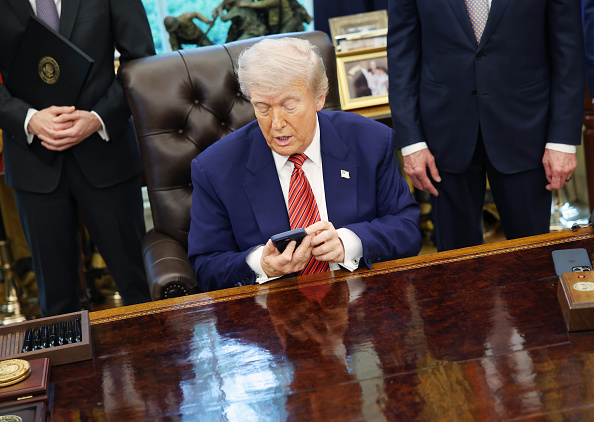
However, this offer of alliance and support has been met with resistance from U.S. President Donald Trump. Recently, Trump dismissed the need for Ukrainian assistance in Iran, contradicting his earlier openness to global support. His administration’s reluctance comes at a time when the U.S. military expenditure in Iran skyrockets, reportedly draining over a billion dollars daily, with missile costs alone capable of crippling the national budget.
Moreover, Trump’s outright rejection of Ukrainian aid not only undermines a potential avenue for reducing American military spend but also casts a shadow over the U.S.’s ability to form effective international partnerships. This stance could jeopardize the strategic advantages of collaborating with a proven ally like Ukraine.
The fiscal repercussions are stark. The U.S. national debt has surged to an unprecedented $39 trillion, with military expenses in Iran contributing heavily to this burden. The use of high-cost missile systems to combat relatively inexpensive drones is an example of the financial mismanagement that continues to plague the U.S. defense strategy under the current administration.
Ukraine’s readiness to assist the U.S., despite facing its existential threats, exemplifies true friendship. In contrast, the American response—or lack thereof—highlights a missed opportunity to embrace a more cost-effective and potentially life-saving military strategy. As Ukraine continues to demonstrate its goodwill and innovation, it remains to be seen whether the U.S. will recognize and reciprocate this valuable partnership before the costs, both fiscal and human, escalate further.