March 18, 2026
Afroman Takes Stand in Multimillion-Dollar Defamation Suit Over Police Raid Parody
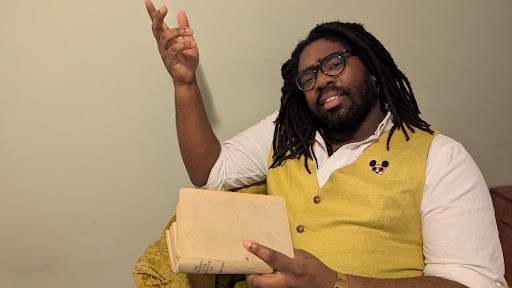
In a twist that could only emerge from the life of a musician known for transforming misfortune into art, Afroman, born Joseph Foreman, finds himself embroiled in a heated legal battle against law enforcement officers who raided his home in 2022. Known predominantly for his hit "Because I Got High," Afroman has now made headlines not for his music but for what followed a dramatic, fruitless police raid at his residence.
Last August, officers forcibly entered Afroman's home under the belief that it contained kidnapping victims and drugs. They found neither. The raid, which involved officers with guns drawn and resulted in substantial property damage, was captured in detail by the home's surveillance system — footage that Afroman would later use in a music video parody titled "Lemon Pound Cake."
The video, which showcases officers in a less-than-flattering light, asks pointed questions about the justification of the raid while humorously suggesting ludicrous hiding spots for illegal items. Notably, it also captures the moment officers disabled his cameras, a detail that adds a layer of controversy regarding police transparency.
The backlash from law enforcement was swift and severe. Afroman now faces a defamation lawsuit from the Adams County Sheriff’s Office, which claims the music video caused emotional distress and reputational damage to the officers involved. The lawsuit is asking for nearly $4 million in damages, distributed among several officers named in the video.
During a recent trial, one officer testified, breaking down in tears over the portrayal in the video, which has since garnered significant public attention. Meanwhile, Afroman's defense leans heavily on First Amendment protections, arguing that his creative response to the raid falls well within his rights to free expression, especially given the public nature of the officers' actions.
This case has attracted a wide array of public responses, from outpourings of support for Afroman to debates over the boundaries of artistic freedom and police accountability. As the court proceedings drag on, the outcome may set a significant precedent for how individuals can legally respond to and critique police actions through artistic mediums.
The public and media are keenly watching the unfolding courtroom drama, evidenced by the widespread coverage and commentary across social media platforms. A verdict in favor of the officers could impose a chilling effect on artistic expressions that critique governmental actions, while a win for Afroman might reinforce the protective scope of the First Amendment against powerful institutional entities.
As the trial continues, all eyes are on the courtroom, where the scales of justice will soon tip in a case that blends civil liberties with celebrity, humor, and the serious implications of law enforcement overreach.