March 20, 2026
Controversial Trump Administration Lawyers Face Potential License Revocation: Public Votes on Most Deserving
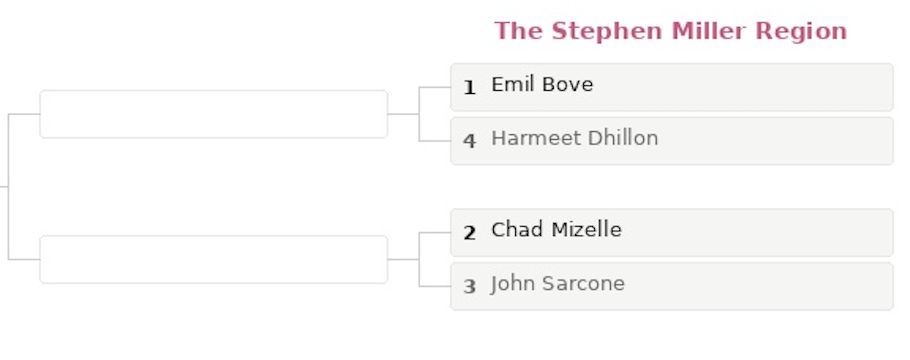
In a dramatic turn that blends legal scrutiny with public participation, a special bracket challenge has been launched to decide which lawyer from the Trump administration most deserves to lose their license. The focus now shifts to the final region, named after Stephen Miller, a pivotal yet non-lawyer figure in shaping the administration's legal strategies. Despite his lack of legal credentials, Miller's significant influence over legal priorities has earned him this dubious honor.
Emil Bove vs. Harmeet Dhillon: A Clash of Legal Controversies
In one corner, Emil Bove, a former Principal Associate Deputy Attorney General and now a Third Circuit Judge, has made headlines not for his jurisprudence but for his aggressive approach at the DOJ. Bove allegedly insisted that deportation flights would proceed "no matter what," challenging judicial injunctions with defiance. His controversial decisions led to significant resignations within the DOJ, yet he ascended to a lifetime federal appointment, sparking debates over accountability.
Opposing him is Harmeet Dhillon, who led the Civil Rights Division more towards dismantlement than enforcement, resulting in a mass exodus of attorneys. Dhillon's tenure is marked not by ethical breaches but by a profound reorientation of the division's mission, alongside minor controversies like spreading misinformation and engaging in unprofessional online disputes.
Chad Mizelle vs. John Sarcone: Ethical Boundaries and Professional Conduct in Question
Chad Mizelle, another prominent figure, left his role as DOJ Chief of Staff under a cloud of undisclosed financial conflicts involving major corporations like Apple and Meta. His late financial disclosures and apparent ethical lapses have raised serious concerns about his integrity in office.
John Sarcone, dubbed a "Pretend U.S. Attorney," exemplifies the risks of appointing loyalists over qualified legal professionals. His low-profile yet pivotal role in the administration highlights the systemic issue of filling crucial legal positions with figures more aligned with political loyalty than legal expertise.
Public Engagement and the Quest for Accountability
The voting, open until Monday evening, not only allows the public to weigh in on these critical issues but also underscores the broader implications of legal ethics and accountability in government. As citizens cast their votes, the spotlight intensifies on the need for integrity and professionalism within the highest echelons of legal administration.
The outcomes of this bracket challenge might not directly influence legal licenses, but they undeniably set the stage for public discourse on the standards to which government lawyers should be held. As the community deliberates, the message is clear: legal positions demand more than just legal knowledge; they require an unwavering commitment to justice and ethical conduct.