March 24, 2026
Deckers vs. Quince: A Legal Battle Over Uggs Dupes Heats Up
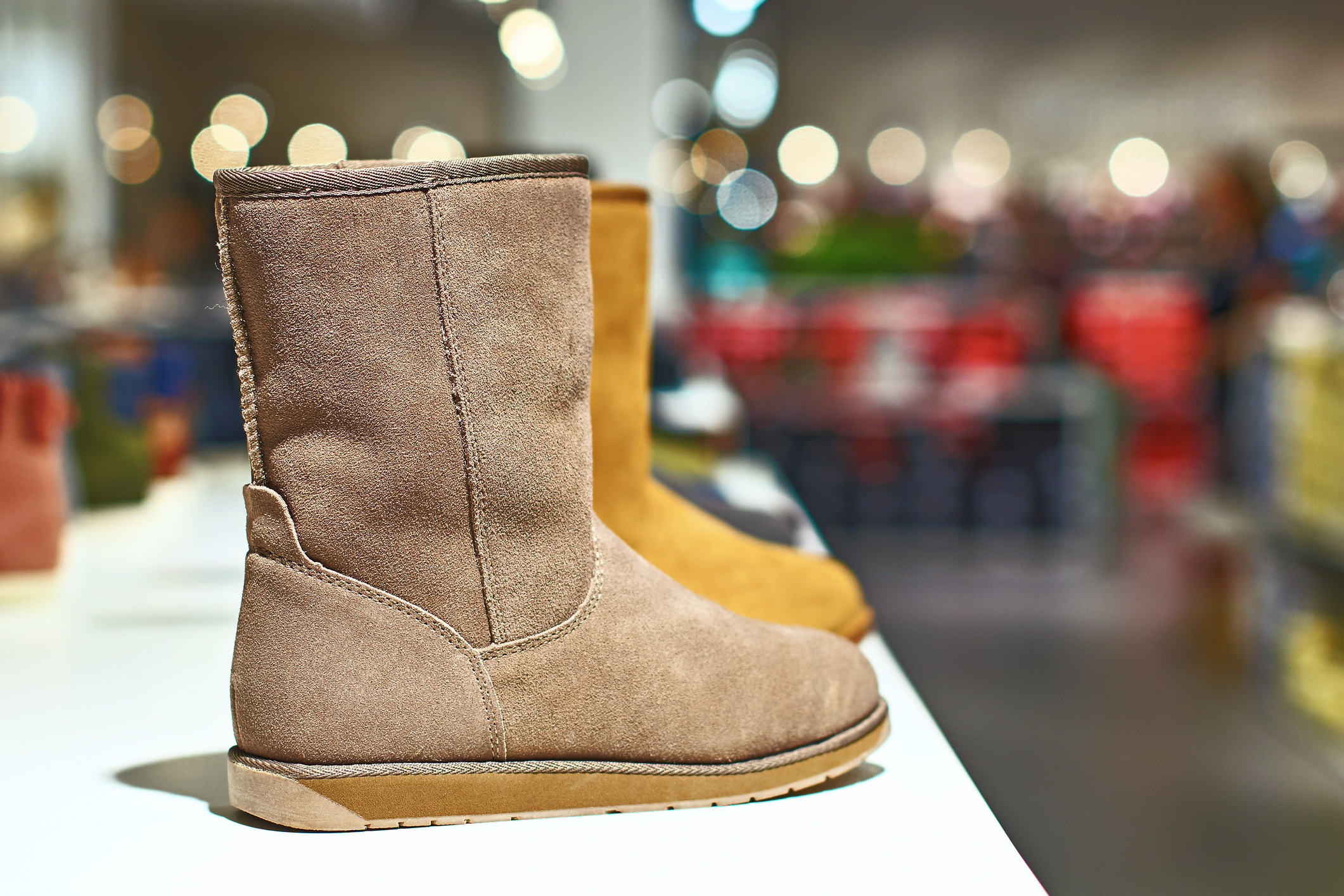
In a fascinating turn of events in the world of Intellectual Property (IP) litigation, the online storefront and near-luxury brand Quince has filed a new complaint against Deckers Footwear, the parent company of the iconic Uggs line. This legal move comes amid allegations that Deckers has been using "template lawsuits" to stifle legitimate competition in the sheepskin casual footwear market.
Quince's bold legal step marks a significant shift from just a few years ago when it found itself on the defensive end of a lawsuit from Deckers for allegedly infringing on trade dress and design patents with its dupes of popular Uggs models, such as the Classic Ultra Mini. The upcoming trial will address Deckers' remaining design patent claims, but Quince has already scored a victory on the trade dress front, where a court ruled that the designs were too generic to be protectable.
The core of Quince's current filing accuses Deckers of operating a "litigation assembly line," a strategy aimed at preserving its dominant market position through aggressive legal tactics rather than genuine product innovation. This approach, Quince argues, amounts to anti-competitive behavior that could have serious financial implications for Deckers if the court rules in Quince's favor.
This legal saga holds particular interest for IP enthusiasts and industry watchers, as it underscores the complex interplay between protecting brand identity and fostering a competitive marketplace. The outcome of this case could set important precedents for how similar disputes are handled in the future.
Meanwhile, in an educational twist, the case has also served as a real-world example for high school students studying IP law. These students, many of whom are fans of Uggs, were surprised to learn about the intricacies of IP disputes and the potential for what they see as corporate bullying. Their engagement with the case highlighted how younger consumers are beginning to understand and appreciate the nuances of legal strategies in the business world.
As the legal battle progresses, all eyes will be on how both the trade dress decision and the design patent trial unfold. With Quince recently bolstering its financial standing through a substantial funding round, it's clear that they are prepared to continue challenging what they perceive as unfair practices by larger, more established companies.
This dispute is not just a courtroom drama but a reflection of the broader challenges facing businesses in a competitive global market where innovation often collides with the need to protect intellectual property. Whatever the outcome, the implications will ripple across the footwear industry and beyond, possibly reshaping how companies approach competition and innovation.