April 2, 2026
Atlanta Prosecutor Utilizes AI to Cite Fictional Cases in Supreme Court, Apologizes Amid Controversy
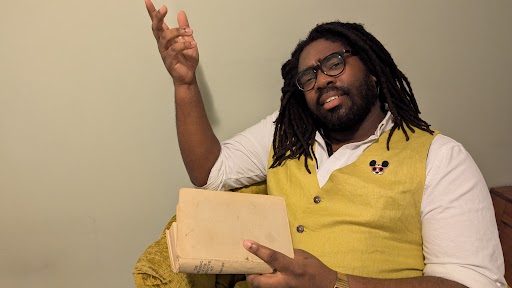
In an unprecedented legal gaffe, Deborah Leslie, an attorney with the Clayton County District Attorney's Office, has admitted to citing non-existent cases during a Supreme Court of Georgia hearing. The cases were supposedly generated using Artificial Intelligence (AI) tools, a method Leslie described as "expanded legal research." This incident, which surfaced during the court's considerations for a retrial of convicted murderer Hannah Payne, has ignited concerns over the integrity and reliability of legal arguments in high-stakes cases.
Leslie's reliance on AI to produce legal citations came to light when opposing counsel scrutinized her submissions and discovered that some cited cases did not exist. This revelation not only embarrassed the prosecution but also raised serious questions about the ethical implications of AI in legal proceedings. Leslie has since issued an apology, acknowledging the oversight and the fictitious nature of the cited cases.
The misuse of AI in this context is part of a growing trend that has seen legal professionals increasingly turn to advanced technologies for assistance. However, this incident underscores the potential pitfalls of such practices, particularly when the technology is used as a substitute for thorough legal research and verification.
The case at hand involved a request for a new trial for Payne, whose lawyers argue that the original trial was marred by botched jury instructions. The call for a retrial has gained traction, not only because of these procedural concerns but also due to the prosecutorial misconduct now associated with Leslie's AI-generated legal citations.
Georgia's legal community, already stretched thin by a public defender shortage, has reacted with a mix of outrage and concern to Leslie's tactics. Notably, Brian Steel, one of Payne's attorneys renowned for his rigorous defense strategies, has been vocal in criticizing the prosecutorial approach, emphasizing the need for accountability and adherence to ethical standards in legal practice.
This incident has broader implications for the legal profession, highlighting the need for clear guidelines and perhaps regulatory oversight concerning the use of AI in legal research and case preparation. As AI tools become more sophisticated and integrated into various aspects of legal work, the potential for misuse—as demonstrated in this case—suggests a pressing need for the legal community to establish boundaries and safeguards to prevent similar occurrences in the future.
In light of these events, the legal community and the public alike await the Supreme Court of Georgia's decision regarding Payne's request for a retrial. This decision will not only affect the outcome for Payne but also potentially set precedents regarding the use of AI in legal procedures and the responsibilities of attorneys to ensure the accuracy and integrity of their legal arguments.