April 13, 2026
Trump Administration Lawyer Seeks Law School Deanship Amidst Controversial Investigations
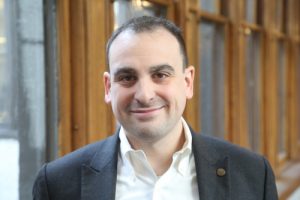
In a striking intersection of legal academia and governmental oversight, Joshua Kleinfeld, Chief Counsel to the Secretary of the Department of Education, has cast his bid to become the next dean of George Mason University’s law school, also known as ASS Law. This move comes while Kleinfeld is on a leave from his professorial role at the same institution, raising eyebrows over potential conflicts of interest due to ongoing federal investigations into the university.
George Mason has been embroiled in controversy since the Trump administration initiated a Title VI investigation in July 2025. The probe, led by the Department of Education, accused the university's first Black president, Gregory Washington, of implementing "unlawful DEI policies" that allegedly discriminate based on race. The investigation quickly escalated as the Department of Justice launched a secondary inquiry, and the issue became a hotbed for political and media scrutiny.
Amid these tumultuous times, Kleinfeld’s application to lead the law school where he previously taught adds another layer of complexity. His application letter, which subtly suggests that his leadership could mitigate the federal pressure on the university, has sparked discussions on the propriety and implications of his potential appointment.
Kleinfeld's letter to the ASS Law community, while mostly standard in its earlier sections, hints at his unique position to "present positive aspects of GMU to the federal government." He emphasizes his extensive network within the government, which he believes could advocate for the university’s commitment to a "marketplace of ideas." However, the timing and tone of these remarks have led some to question whether his candidacy could indeed influence ongoing federal actions against the university.
This situation exemplifies broader concerns about the autonomy of academic institutions and the influence of political forces. The rapid conclusions drawn from the federal investigations, combined with Kleinfeld’s candidature for the dean’s position, underscore the complex dynamics at play between government agencies and educational institutions.
As George Mason University navigates these investigations and considers its future leadership, the community and observers alike are left to ponder the implications of governance intertwined with politics, and whether any decisions made will be seen as untainted by the specter of external pressures. The unfolding events will likely continue to fuel a critical dialogue on the integrity and independence of academic administration in politically charged environments.