April 20, 2026
The Tart of the Deal: A Sweet Taste of Negotiation Turns Bitter for Trump
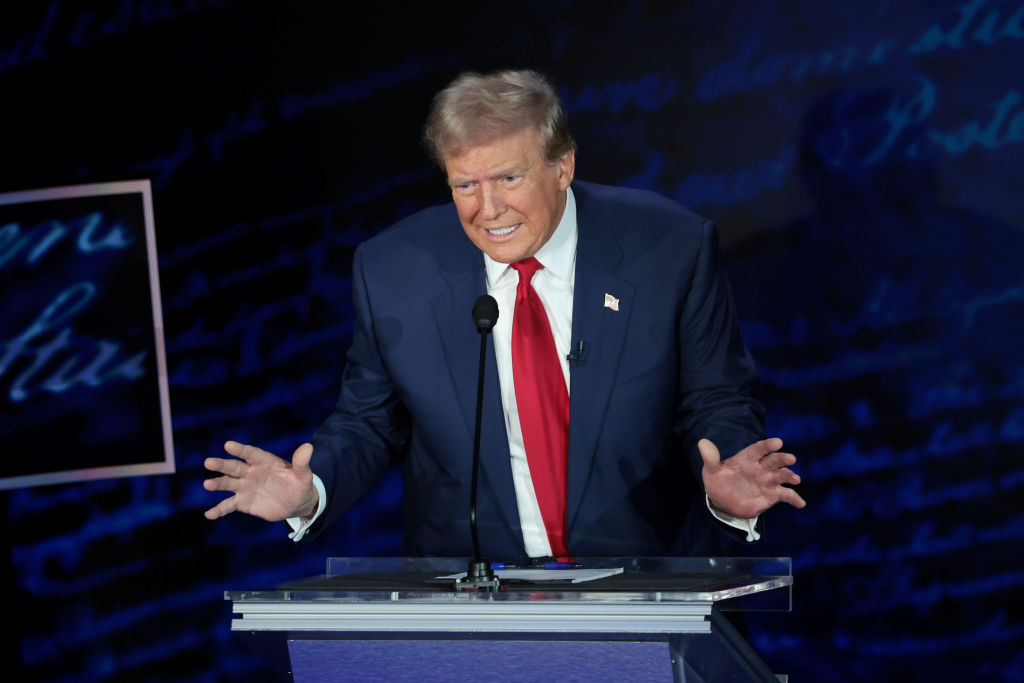
In the high-stakes game of global politics, former U.S. President Donald Trump's approach often resembled a high-pressure sales tactic: threaten big, let them fear, then watch them fold. But what happens when the other side plays the same game, but with a twist of their own?
Recently, it seemed the Iranians had taken a page out of the negotiation playbook, albeit with their unique spin. The strategy? Let your opponent taste victory, let them savor it, and just when they're hooked, tighten the screws.
This approach was vividly illustrated when Iran seemingly eased tensions by reopening the Strait of Hormuz to maritime traffic, causing a surge of relief and optimism in global markets and, presumably, within Trump's administration. Trump himself couldn't resist proclaiming a swift and total victory, flooding his social media with posts of triumph.
But the celebration was premature. As negotiations resumed, Iran's demands began to surface—reparations, relief from sanctions, and subtle adjustments to their nuclear activities, among others. The 'victory' Trump tasted was quickly turning into a complex, bitter aftertaste.
The art of the deal, it seems, was more tart than sweet. Iran's move was strategic, offering a glimpse of peace to loosen the U.S. stance. Trump, who had publicly savored the cessation of hostilities, found himself in a delicate position. Could he afford to walk back on his declarations of triumph? Or would he bend, allowing Iran small but significant concessions?
As negotiations drag on, the true extent of Iran's strategy remains cloaked in secrecy. The ceasefire might hold, morphing into a new status quo where shots are no longer fired, yet no comprehensive peace is declared. Alternatively, talks could collapse, plunging the region back into uncertainty.
The scenario underscores a critical lesson in international diplomacy: never underestimate your opponent's ability to manipulate the narrative. What at first appears as a sweet deal can quickly sour, leaving a lingering taste that no amount of victory can mask.
As the world watches, one thing becomes clear: in the arena of global politics, the taste of peace can be unexpectedly tart, and the deals that promise it, even more so.