April 27, 2026
Legal Ethics Roundup: Major Shifts and Surprises in the Legal Realm
Welcome to a captivating journey through the latest twists and turns in legal ethics. This week brings us a mix of groundbreaking developments and ongoing debates that continue to shape the legal profession.
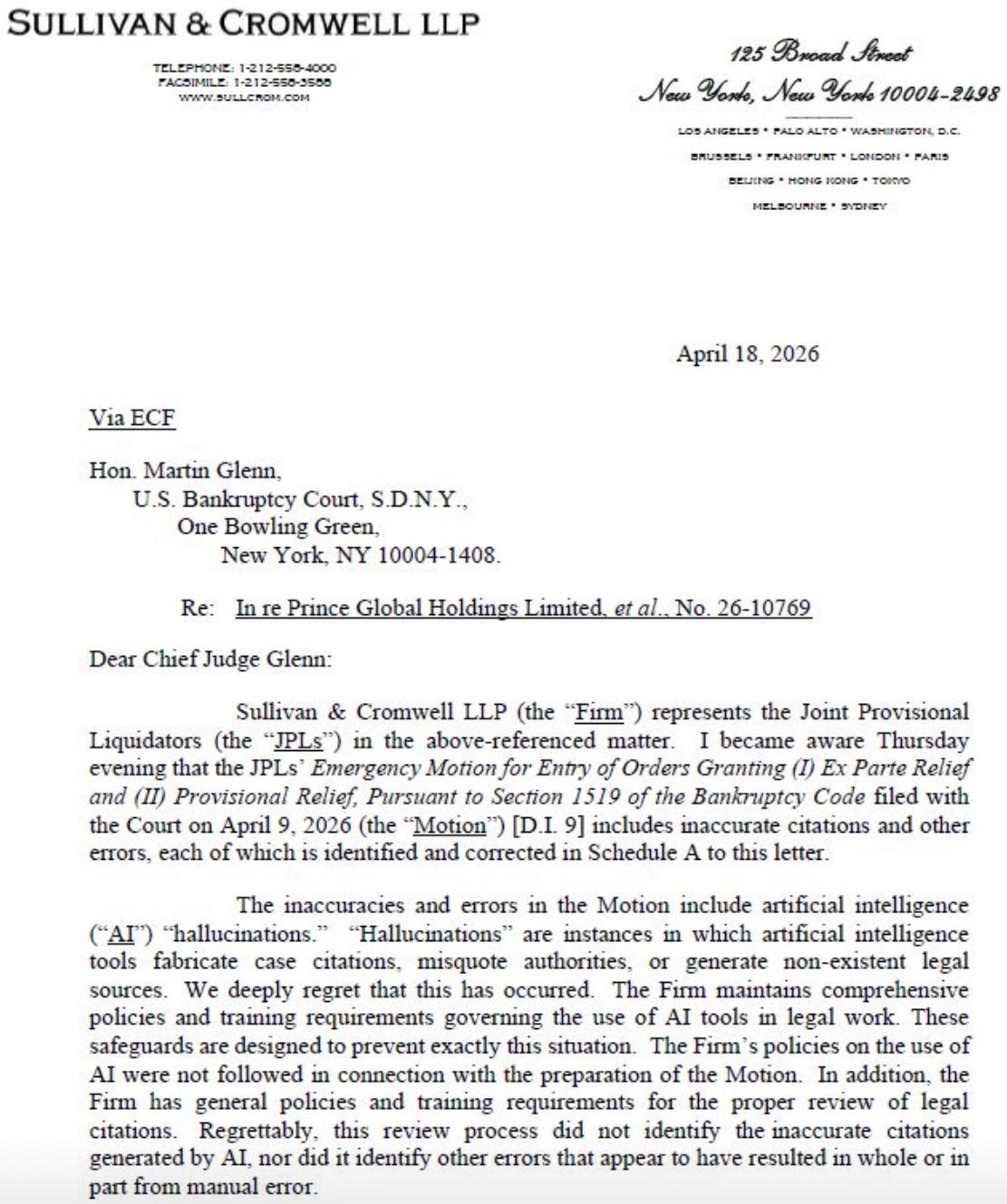
One of the most startling revelations comes from a prestigious law firm, Sullivan & Cromwell, which recently issued an apology for submitting a court document laced with artificial intelligence-generated fake citations. This incident has sparked widespread discussion about the reliability and ethical use of AI in legal practices. The full story, detailed in The New York Times, raises significant questions about the future intersection of technology and law.
In a controversial move, the U.S. law school accreditation standards have now officially omitted any mandates on Diversity, Equity, and Inclusion (DEI), as confirmed by Daniel Theis of the Accreditation Council. This decision follows intense debate and reflects a stark deviation from previous practices, leaving law schools to individually determine their stance on DEI.
The Supreme Court's internal workings came under the spotlight with the leak of several secret memos, revealing the mechanics behind its shadow docket rulings. The leak, deemed a grave breach of confidentiality, also suggests potential legal ethics violations by one of the journalists involved, who is a licensed attorney.
Amidst these controversies, the Southern Poverty Law Center faces a criminal indictment, a development that has rallied civil rights groups into a fervent preparation for a robust legal and public relations response. This case could potentially redefine the boundaries of legal advocacy under heightened political scrutiny.
Another significant development is the 'Hyperlink Rule' proposed after an AI hallucination incident in a California court. This rule mandates that all cited authorities in legal documents be hyperlinked to authentic sources, aiming to bolster the integrity and verification of legal references.
Ohio has made headlines by becoming the first state to allow judges to make political endorsements, a decision that has ignited a debate on the impartiality of the judiciary. This landmark ruling by the Ohio Supreme Court marks a pivotal change in the traditional stance on judicial conduct.
As these stories unfold, they not only highlight the dynamic nature of legal ethics but also underscore the ongoing challenges and innovations within the legal field. Each headline invites legal professionals and the public alike to reflect on the core values that should guide the law in a rapidly evolving society.
Stay tuned for more updates and in-depth discussions on these topics, as we continue to explore the intricate tapestry of legal ethics in contemporary times.