May 1, 2026
Law Student and Jeopardy! Champion Battles for Voter Privacy in New Jersey
One of the most cherished achievements of the civil rights era, the Voting Rights Act of 1965, has faced numerous challenges over the years. The landmark legislation, which symbolized a life-or-death struggle for many African Americans seeking the right to vote, was significantly undercut by the Supreme Court in the case of *Louisiana v. Callais*. The court ruled that Section 2 of the Act, which addresses voting practices or procedures that discriminate on the basis of race, now requires litigants to prove intentional racial discrimination. This decision makes it exceedingly difficult to challenge gerrymandering unless overt discriminatory intent can be shown.
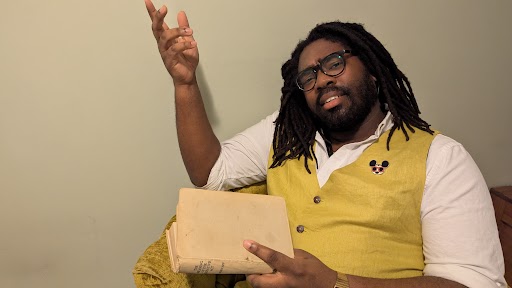
Amidst this backdrop, Jamie Ding, a Jeopardy! champion and current Seton Hall Law student, has stepped into the fray. Ding has been granted intervenor status in a legal battle against the U.S. Department of Justice's demand for New Jersey’s complete voter registration data. This database contains sensitive information on over 6.6 million residents, including names, addresses, birth dates, and partial Social Security and driver’s license numbers.
The Trump administration asserts that the data is essential for verifying compliance with federal election laws. However, critics argue that such a sweeping data request is less about compliance and more about political gain, particularly given the administration's history of targeting political adversaries. The fear is that access to such comprehensive voter information could lead to misuse or a significant data breach, echoing other recent high-profile data security scandals.
Jamie Ding is not only fighting for his state's voter privacy but also standing up against what many see as an overreach by the federal government. His involvement adds a significant profile to the case, given his public standing as a Jeopardy! champion and law student. This case highlights the ongoing tensions between federal oversight and individual privacy rights, especially concerning voter information.
The implications of this case are profound, as they may set a precedent for how voter information is handled nationwide. With the erosion of the Voting Rights Act provisions and increasing concerns about data privacy, the outcome of this legal battle could have far-reaching consequences for voter privacy and the integrity of the electoral process in America.
For more details on Jamie Ding’s involvement and the broader implications of the DOJ's demand, visit the New Jersey Globe’s coverage of this pivotal case.