May 6, 2026
Lateral Partner Turnover in Biglaw: A Persistent Challenge and Missed Opportunities
Over half of law firms consider lateral hiring a pivotal strategy for growth, yet a staggering one-third of these hires depart within five years. This high turnover rate highlights a critical misalignment in firms' approach to measuring success, primarily focusing on immediate revenue rather than long-term integration and value.
Historically, the go-to method for boosting revenue has been simple: raise the rates. This practice, however, is showing signs of wear as clients become more resistant, often switching to competitors as a result. A recent report from Passle suggests a dire need for a shift in strategy as 54 percent of firms recognize rate hikes as a primary reason for losing clients.
With the waning efficacy of rate increases, firms are pressured to double down on acquiring lateral talent, yet they face significant challenges in retaining these hires. According to Decipher Investigative Intelligence, between 30-38 percent of lateral partners leave within five years, and a botched hire can cost a firm up to 400% of the lawyer’s annual compensation.
The crux of the issue lies in the firms' initial approach towards lateral hires. Many view these individuals as mere assets, focusing on extracting as much value as possible without fostering genuine integration or trust. This is often perceived by the lateral hires, leading to dissatisfaction and eventual departure.
Contrastingly, firms that report satisfaction with their growth prioritize indicators of successful integration, with 61% highlighting engagement in internal and external networking. This approach not only fosters trust but also enhances firm-wide collaboration, essential for sustainable growth.
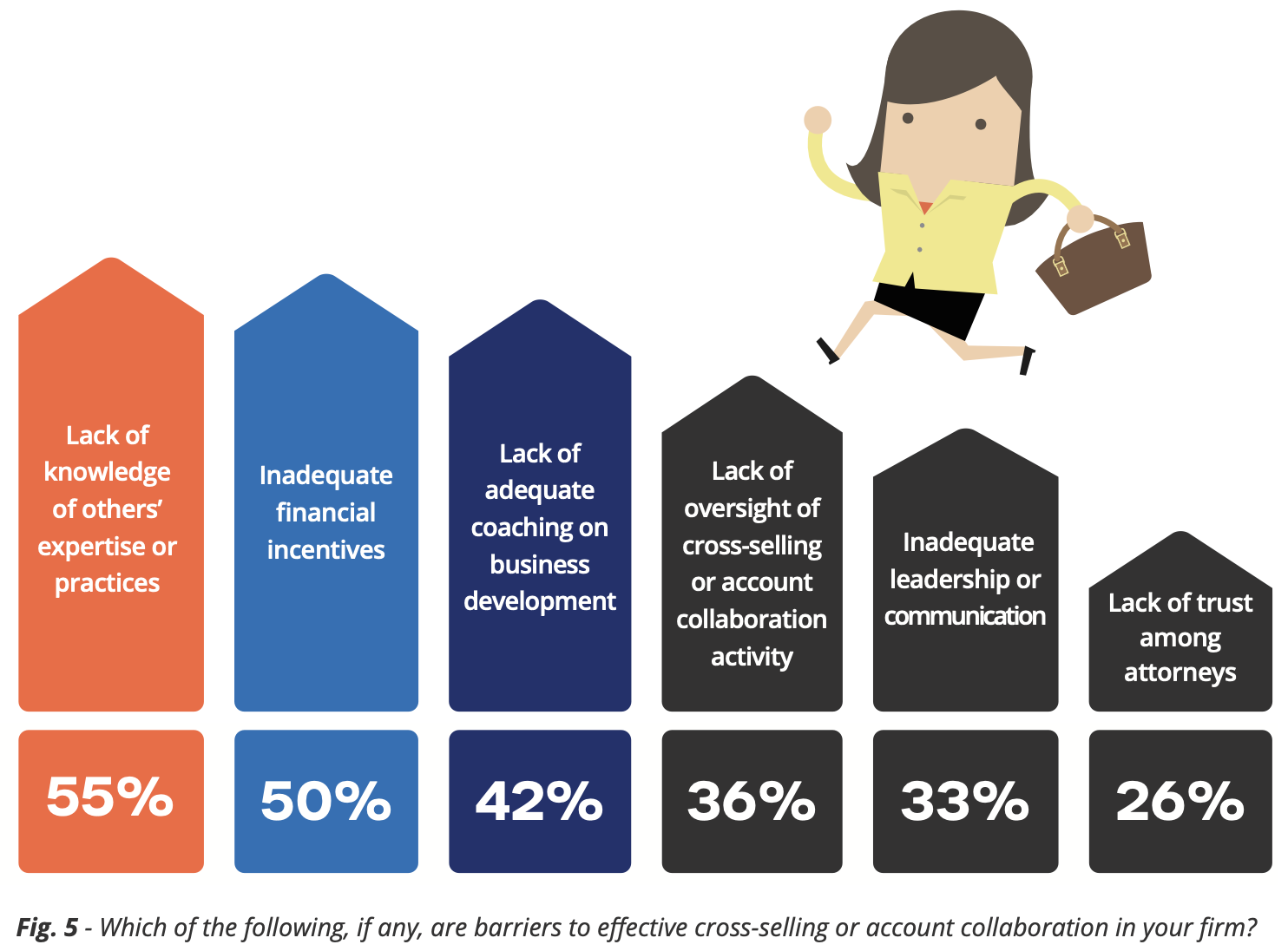
However, collaboration remains a challenge, highlighted by Passle’s findings that only 41 percent of partners feel their colleagues understand their work, and just over half believe they understand their peers' expertise. This "visibility gap" can severely impact the potential cross-selling opportunities, which are crucial for maximizing the value of lateral hires.
To address these challenges, tools like Passle’s CrossPitch AI are being developed to enhance visibility and facilitate better integration of lateral hires by mapping real-time collaboration and identifying gaps in internal networks.
In conclusion, for law firms to truly benefit from lateral hires, a paradigm shift is needed. Instead of viewing these professionals as short-term gains, firms should focus on their long-term integration and professional satisfaction, fostering an environment where trust and collaboration drive sustainable growth. This holistic approach may very well dictate the future success and stability of lateral hiring strategies in Biglaw.