May 19, 2026
Amid Senate Testimony, Todd Blanche Asserts His Role as Attorney General, Distancing from Trump Lawyer Past
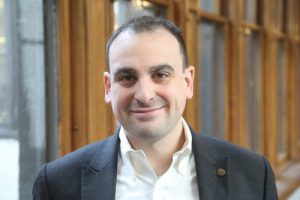
There was a palpable tension in the air during Todd Blanche's recent Senate testimony. Blanche, currently the Acting Attorney General, found himself in a heated exchange that underscored his previous role as President Trump’s personal lawyer. This contentious moment highlighted not just his current governmental position but also his professional history with the former president.
Blanche's outburst came as he was questioned by Senator Van Hollen about his ability to impartially manage a new controversial fund aimed at January 6 defendants. “I am the Acting Attorney General! The fact that I used to be President Trump’s lawyer is just a fact. DON’T SAY THE PRESIDENT’S FORMER LAWYER WILL DO SOMETHING—SAY THE ATTORNEY GENERAL WILL DO SOMETHING!” Blanche asserted, visibly agitated.
The fund in question, likened to a slush fund, is reportedly designed to distribute nearly $2 billion to January 6 rioters without stringent oversight. This arrangement has raised eyebrows, especially considering Blanche's deep ties with Trump, which Senator Van Hollen pointed out could pose a serious conflict of interest. The senator’s remarks brought to light concerns regarding ethical standards and the potential misuse of taxpayer dollars.
Historically, such funds are meant to redress grievances, as seen in the Keepseagle v. Vilsack case, which provided relief to Native Americans discriminated against by the Department of Agriculture. However, the current fund seems to deviate from these precedents by potentially benefiting individuals involved in the Capitol riots, including figures like the QAnon Shaman.
Blanche’s insistence on distinguishing his current role from his past may be seen as an attempt to deflect these ethical concerns. Yet, this only served to amplify the issue, evoking what is known as the Streisand Effect—where attempts to hide or censor information only make it more public.
This entire episode casts a shadow over the Justice Department's integrity, especially when it appears to threaten licensing authorities against enforcing ethical standards. Instead of appointing an independent party to manage the controversial fund, Blanche’s approach has been to vocally separate his new governmental identity from his previous association with Trump.
The spectacle of Blanche’s testimony does little to assure the public of transparency and fairness in the handling of such a sensitive and significant fund. As the proceedings continue, all eyes will be on how the Department of Justice navigates these troubled waters, with Blanche’s role and his past connections remaining under intense scrutiny.