May 27, 2026
Trump's IRS Settlement Raises Eyebrows: A Closer Look at the Implications for Past and Future Tax Audits
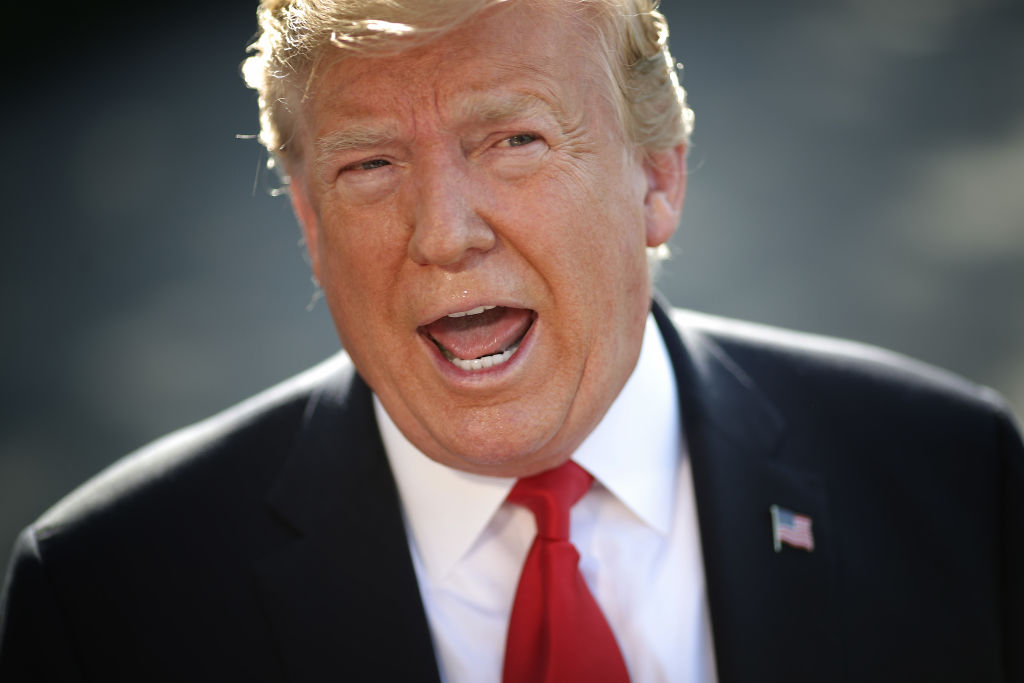
Last week, the spotlight turned once again on former President Donald Trump following a controversial settlement of his lawsuit against the IRS over an illegal leak of his tax returns. The terms of the settlement have stirred debate across the political spectrum due to provisions that potentially shield Trump, his family, and his businesses from future federal investigations and prosecutions, including audits of past tax returns.
The settlement agreement not only resolves the lawsuit but also sets up a $1.776 billion fund designed to compensate victims of what the agreement terms as "lawfare and weaponization." The broad and somewhat nebulous nature of these terms raises questions about who qualifies for this compensation. Notably, figures like Michael Cohen, Trump's former attorney turned critic, seem unlikely to benefit from the fund due to his disbarment and criminal record.
Critics, particularly from the Democratic side, have expressed outrage over a specific clause in the agreement that indefinitely bars the federal government from auditing past tax returns filed by Trump and his entities. This has led to accusations of a legal shield being unfairly granted to the former president, potentially hiding significant financial details from public scrutiny.
The IRS generally has a statute of limitations of three years to audit a tax return, extendable up to six years in cases of substantial underreporting. Trump's tax dealings, including massive losses claimed on properties like the Trump International Hotel and Tower in Chicago, have already been under intense IRS scrutiny. The settlement's implications on these ongoing audits remain unclear, though the agreement specifies that current pending matters are shielded from further prosecution.
The prohibition against presidential interference in IRS audits, which remains in effect, did not stop the settlement from potentially closing audits that were already underway, raising further ethical and legal questions. While Trump's recent tax returns remain undisclosed, the former president's shift towards cryptocurrencies in recent years has drawn IRS attention due to the perceived anonymity the digital assets offer.
Despite the federal closure, state authorities remain free to conduct their own audits since state tax calculations typically rely on federal return figures. This could mean that, while the federal government steps back, state-level scrutiny could intensify.
The settlement's broad terms and significant compensation fund suggest an effort to definitively end all litigation concerning Trump's tax issues. However, the lack of transparency and the selective barring of federal audits have led to concerns about potential undisclosed liabilities and broader implications for legal standards surrounding former and future presidents.
This agreement, while closing a chapter on Trump's longstanding battle with the IRS, opens up a host of new questions about the intersection of personal legal protections and public accountability. As the discussion unfolds, the full impact of this settlement on the norms and expectations of presidential behavior remains to be seen.