June 1, 2026
Examining the Real Impact of Trump’s Personal Diplomacy with Xi Jinping
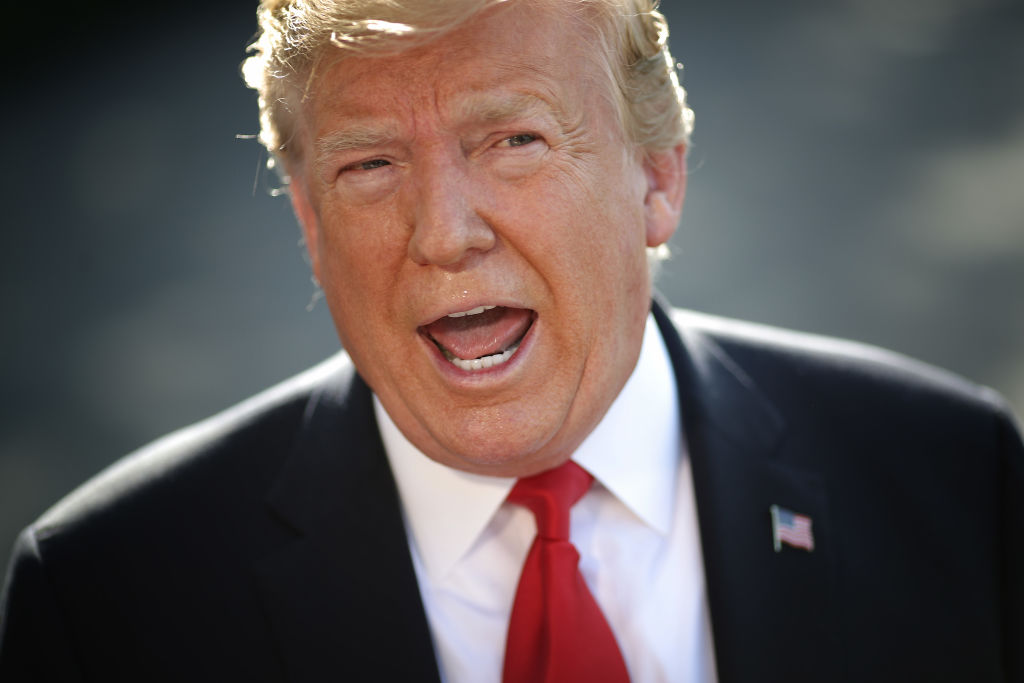
President Donald Trump has often touted the paramount importance of personal relationships in diplomacy and politics. However, his track record raises questions about the stability and longevity of these relationships, and whether they truly advance U.S. interests.
Trump’s history of personal alliances is a rollercoaster of high praise followed by abrupt dismissals. From former loyalists like Michael Flynn and Jeff Sessions to international figures like North Korea's Kim Jong-un, the pattern is consistent. Initial declarations of deep trust and friendship are frequently followed by sudden estrangements and criticisms once these relationships no longer serve his immediate needs.
This pattern extends to Trump’s engagement with global leaders. His interactions with Kim Jong-un, for instance, were initially described as love-filled exchanges, yet North Korea's nuclear ambitions remained unchecked. Similarly, Trump’s admiration for Russia’s Vladimir Putin did little to mitigate tensions or conflicts involving Russia.
Recently, Trump emphasized his newly minted strong personal bond with China’s President Xi Jinping during a visit to China, claiming, “I think the most important thing is relationship. It’s all about relationship. Have a very good relationship with President Xi and with China, and it sounds like something that doesn’t mean anything, but it’s everything.”
Yet, if history is any indicator, the outcomes of Trump’s personal approach to diplomacy with China may be as underwhelming as his previous endeavors. Despite the proclaimed strong connection with Xi, substantial policy shifts or benefits for the U.S. remain to be seen. Critics argue that Trump’s focus on personal rapport overshadows substantive diplomatic strategy that involves preparation, consistent policy, and the backing of the U.S. diplomatic apparatus.
The skepticism isn’t without merit, considering the lack of tangible results from his past 'great relationships.' The summit with North Korea yielded no significant denuclearization steps, and Trump’s overtures to Russia have not visibly altered their foreign policy actions.
Trump’s reliance on personal diplomacy raises concerns about the effectiveness and reliability of such an approach. While personal relationships can indeed be a valuable diplomatic tool, they must be part of a broader, well-thought-out strategy rather than standalone solutions.
As Trump continues to navigate these international relationships, the world watches to see if his personal connections will evolve into impactful diplomatic achievements or remain as fleeting and unsubstantial as many of his past associations. With global stakes high, the efficacy of Trump’s personal diplomacy remains highly scrutinized and, as yet, unproven.