June 3, 2026
Fewer People Voting for Judges: A Potential Boost for Judicial Independence?
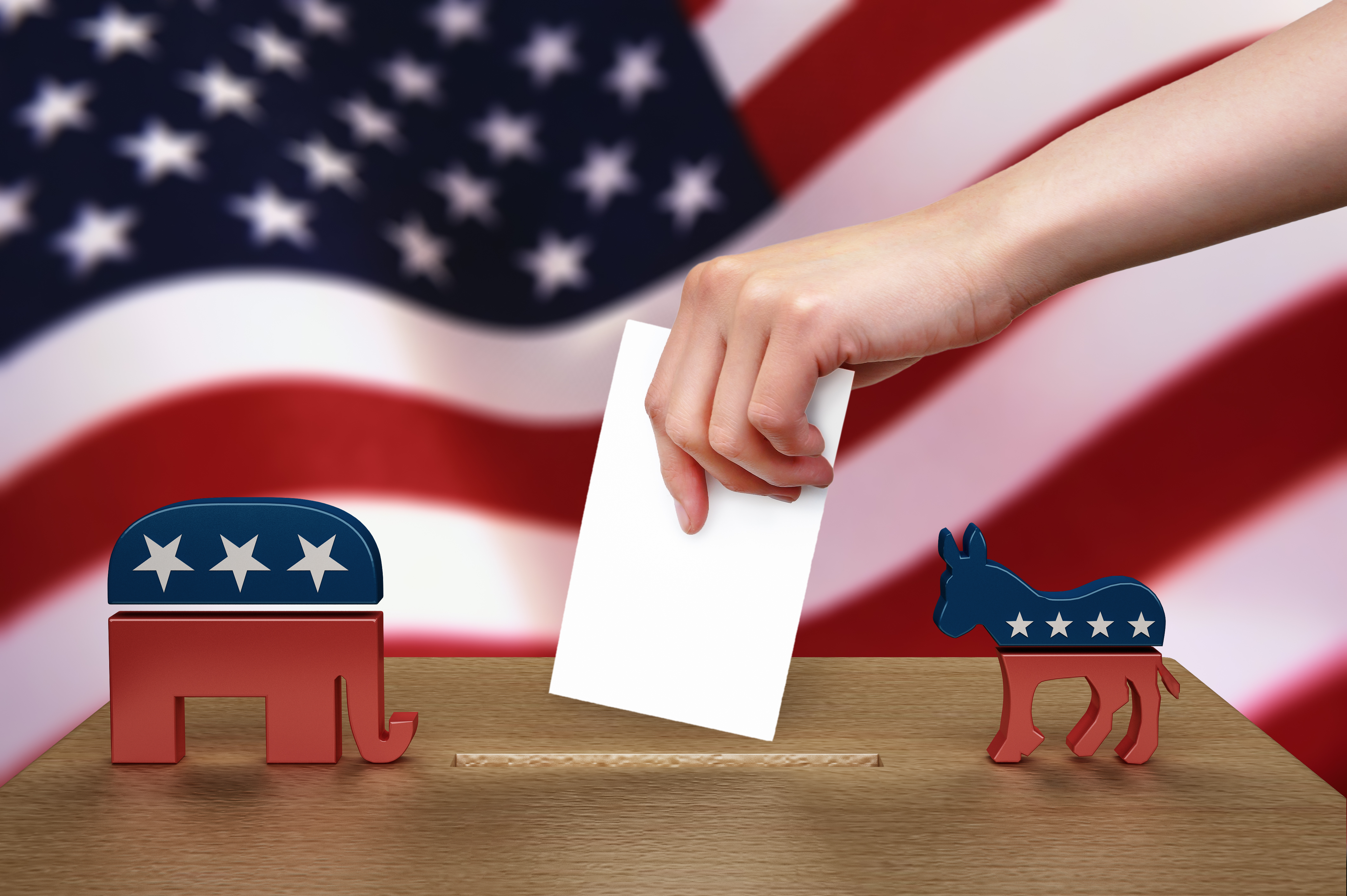
In California's recent state and local elections, while the spotlight was on higher-profile races such as the governor’s and mayoral contests, the judicial elections quietly unfolded with much less fanfare. This trend isn’t isolated to California; across the United States, judicial elections often see lower voter turnouts compared to other political offices. But this phenomenon might not be as detrimental as it appears.
During the elections, many voters found themselves at a crossroads, not due to a lack of interest, but rather a lack of accessible, reliable information about the judicial candidates. While some voters turn to resources like Ballotpedia or seek insights from legal forums, the overall scarcity of detailed candidate information and the absence of significant campaign visibility leave many opting to leave their ballots blank for these positions.
This scenario prompts an intriguing question: could lower voter turnout in judicial elections actually be beneficial? The rationale here is not to undermine the essence of democratic participation but to highlight a silver lining. When fewer people vote, it's likely that those who do cast their ballots are better informed, having either done their research or received trusted recommendations. This selective participation might help in electing judges who are not just popular choices but are genuinely qualified and capable of upholding judicial integrity.
The process of voting for judges is markedly different from voting for legislative or executive positions. Judges are expected to apply the law impartially, without allegiance to the popular sentiments that might have influenced their election. High-turnout, highly charged elections could inadvertently pressure judges to lean into the court of public opinion rather than the letter of the law.
Moreover, the subdued campaigning and lower visibility of judicial candidates might be a reflection of a broader misunderstanding among the electorate. Many voters are more familiar with the federal judicial appointments and might not realize the stakes involved in electing state and local judges. These roles, though less spotlighted, are crucial in interpreting laws that affect everyday life.
In essence, while it might seem counterintuitive, fewer people voting in judicial elections could serve to protect the sanctity of judicial decision-making from the volatile tides of political partisanship. This isn’t to advocate for voter apathy, but rather to suggest that the quality of voting — informed, deliberative participation — should not be overshadowed by the quantity.
As states continue to navigate the complexities of judicial elections, this nuanced perspective offers a fresh lens through which to view voter engagement and its impacts on the justice system. Whether this trend will shift as more people become aware of the importance of their vote in judicial elections remains to be seen. But for now, it seems that a smaller, more informed voter base could contribute positively to the judicial independence necessary for a fair and functioning democracy.