June 10, 2026
Self-Censorship Among Law Professors: A Complex Issue Beyond Claims of Liberal Bias
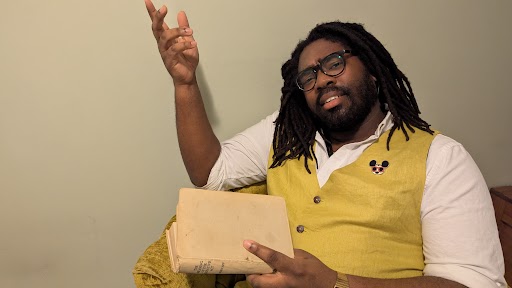
In examining the dynamics within the halls of academia, particularly law schools, the narrative of conservative censorship has gained traction. A recent survey by the Foundation for Individual Rights and Expression, which gathered responses from approximately 2,000 law professors, reveals that a significant number of educators, regardless of their political leanings, feel pressured to self-censor. The survey indicated that 72% of conservative faculty members, 60% of moderates, and 50% of liberals occasionally feel unable to express their opinions freely due to potential backlash from students, colleagues, or administrators.
This data might suggest that law schools harbor a liberal bias, as 81% of respondents felt a liberal colleague would be a positive addition to their institution, compared to only 44% who felt the same about conservative counterparts. However, interpreting these numbers requires a nuanced understanding of the current socio-political climate, particularly in academic settings.
The contention often centers around the type of discourse deemed acceptable or civil within these institutions. The aggressive, anti-civil stance associated with some conservative factions in recent years, as highlighted by various incidents involving conservative law students, contrasts starkly with the more moderate positions typically associated with their liberal peers. Examples of extreme behavior, such as the promotion of white supremacist ideologies, do little to foster an environment conducive to open and respectful dialogue.
It's crucial to differentiate between genuine censorship and the social consequences of expressing controversial opinions that may create a hostile environment for others. The First Amendment protects free speech but does not shield individuals from criticism or social repercussions that their words might provoke. This distinction is often overlooked in debates over academic freedom, where the line between free expression and maintaining a respectful learning environment can become blurred.
Moreover, the idea that law schools are skewed against conservatives is complicated by instances where faculty members have faced repercussions for not aligning with dominant conservative viewpoints, suggesting that the issue of academic freedom transcends simple partisan divides.
In conclusion, while the survey results reflect a perception among conservative law faculty of being marginalized, attributing this solely to liberal bias oversimplifies the complex interplay of social norms, academic standards, and the broader cultural conflicts at play. It points to a larger issue of how civility, respect, and inclusivity are navigated in spaces dedicated to the development of future legal minds. As such, these findings should prompt deeper reflection and dialogue across the political spectrum, rather than reinforcing polarized views on bias in academia.