June 15, 2026
Political Scandals and Hypocrisy: A Look at the Moral Quandaries in U.S. Politics
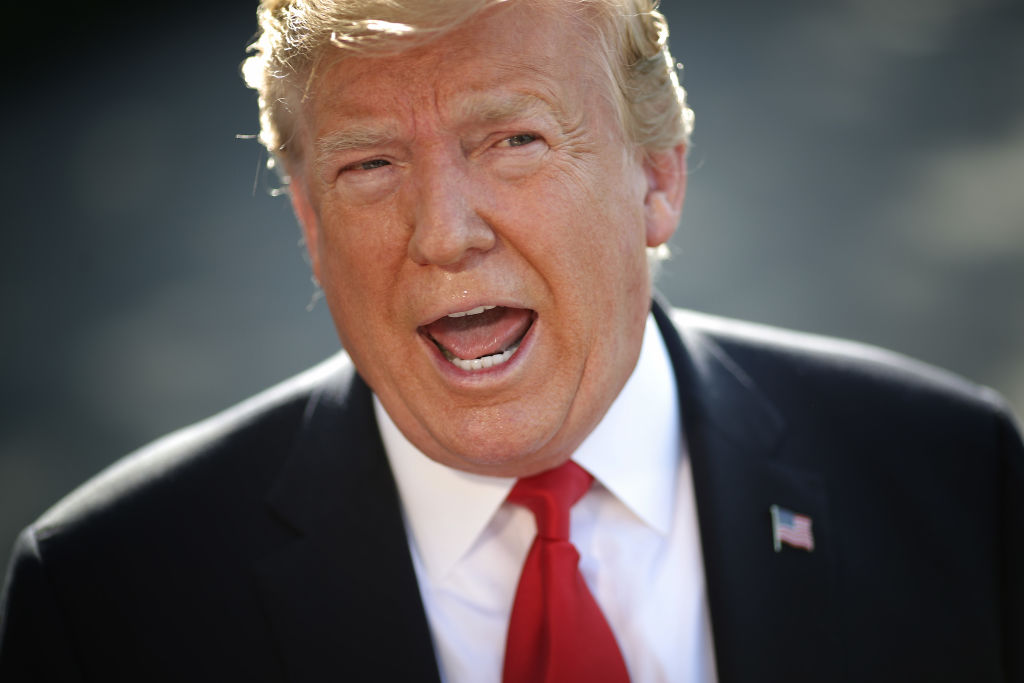
In the annals of U.S. politics, the line between personal indiscretions and public service has been murky, with opinions often split down party lines. The cases of Bill Clinton and Donald Trump showcase the selective outrage that characterizes our political landscape.
Bill Clinton’s presidency in the 1990s was marred by allegations of sexual harassment and his infamous perjury about his relationship with Monica Lewinsky. Despite these issues, many Democrats defended him, prioritizing his alignment with their policies over his personal failings.
Contrastingly, Republicans, traditionally vocal about moral integrity, condemned Clinton's actions, asserting that moral character was indispensable for public service. This stance was epitomized by the Southern Baptist Convention’s 1998 resolution, which emphasized the importance of electing officials who demonstrate honesty and moral purity.
Fast forward to the Trump era, and the roles astonishingly reversed. Donald Trump, despite multiple personal and legal controversies, received unwavering support from many Republicans. His policy positions and the perceived threat posed by Democrats seemed to justify overlooking his misdeeds, which included credible accusations of sexual assault and dishonesty under oath.
Interestingly, the Southern Baptist Convention's voice was notably subdued during Trump’s scandals, highlighting a striking partisan shift in the evaluation of moral character.
The hypocrisy doesn’t end there. In Texas, Senatorial candidate Ken Paxton, despite facing indictments and accusations of serious ethical violations, continues to receive support from his party, further muddling the Republican stance on morality in politics.
Similarly, in Maine, Democratic senatorial candidate Graham Platner, despite having a Nazi tattoo and facing accusations of inappropriate behavior, is still supported by some Democrats. The urgency to secure a win against Republicans seems to overshadow concerns about his personal conduct.
This pattern prompts a critical reflection on our values and the compromises we are willing to make in political battles. Are personal ethics and public policies mutually exclusive, or should they be intertwined?
As voters, the choice often boils down to selecting the lesser of two evils, but this raises an important question about our own principles. If the deciding vote in an election were up to you, facing candidates with dubious moral records but significant political influence, what would you do?
This scenario invites us to ponder deeply about our own thresholds for hypocrisy. In the quest for political power and stability, are we all too willing to overlook the very principles we claim to uphold?