June 22, 2026
Legal Ethics Spotlight: When Lawyers March, Direct Lawyer Communications in Texas, and the Latest Judicial Scrutinies
Welcome to a fresh take on the weekly happenings in the intriguing world of legal ethics! This week, we delve into a variety of key issues that highlight the ongoing adjustments and debates within the legal community.
Starting off, the community witnessed a significant turnout of legal professionals taking a stand for the rule of law. Over 10,000 attorneys across the U.S. participated in 'Law Day' demonstrations, reasserting their commitment to uphold judicial independence and constitutional governance. Contrastingly, this activism echoes back to darker times when some legal figures were involved in the unsettling events of January 6, raising fundamental ethical questions about the role of lawyers in political and social activism.
In a landmark decision, the Texas Supreme Court ruled that self-represented lawyers have the right to directly contact the opposing party, even if they know the party is represented by counsel. This ruling, resulting from the case involving attorney William Ruth, has stirred discussions about potentially revising the no-contact rule, although the court refrained from changing the rule via their opinion.
The judiciary also found itself under the microscope as various incidents called into question the accountability mechanisms for federal judges. A highlighted case involved former Milwaukee County Circuit Judge Hannah Dugan, whose actions at her courtroom door led to a denied appeal against a jury’s verdict, putting her case back on the sentencing track. Meanwhile, U.S. District Judge Eleanor Ross stepped back from a politically charged case after her impartiality was questioned due to her previous political engagements.
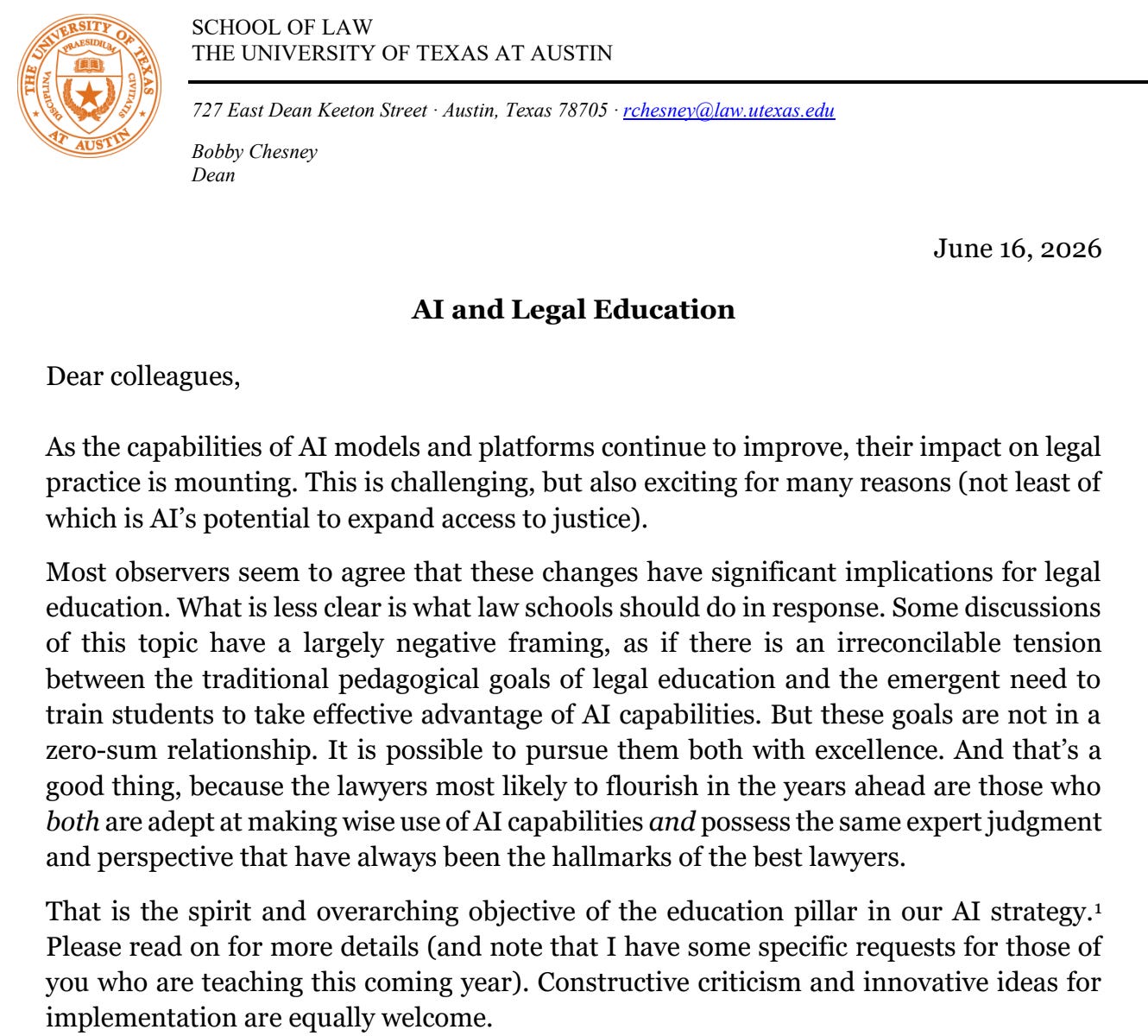
Additionally, issues of technology and legal education are becoming increasingly prominent. The University of Texas School of Law has revamped its approach towards AI, emphasizing the necessity for law students to retain critical thinking and reasoning skills in an era where generative AI tools are ubiquitous.
Each of these stories not only sheds light on the evolving landscape of legal ethics but also underscores the continuous need for the legal profession to adapt and uphold integrity amidst changing societal, technological, and political environments.
Stay tuned for more updates and deep dives into the world of legal ethics, where law, duty, and morality intersect in complex and fascinating ways. For more detailed stories and expert insights, exploring the direct sources linked throughout this roundup can provide a deeper understanding of each issue's nuances.