July 6, 2026
Congress Contemplates New Strategy to Rein in Presidential Power Over Agencies
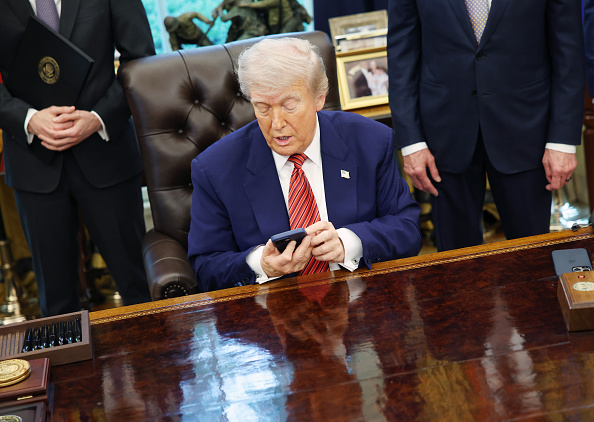
In a landmark decision, the Supreme Court's ruling in *Trump v. Slaughter* has significantly altered the landscape of governmental agency independence. The verdict now allows the President to dismiss employees from previously autonomous agencies at will, a power shift that could reshape the federal bureaucracy to mirror the President's preferences and potentially foster a system rife with patronage and inefficiency.
However, amidst the uproar and disappointment among critics of the decision, there lies a proactive strategy that could curb this newfound presidential power. The Constitution grants Congress the authority over federal spending, including the stipulation that no money can be withdrawn from the Treasury without its consent. This 'power of the purse' could serve as a formidable tool to enforce checks on the executive branch's influence over independent agencies.
A proposed legislative tactic would involve dramatic conditions tied to agency funding: if the President dismisses a certain number of employees from an agency without just cause, Congress could retaliate by stripping the agency of its funding. This radical approach aims to deter the President from making capricious decisions that could destabilize vital government functions.
Further refining this concept, Congress could impose penalties directly targeting the executive's privileges, such as cutting the President's travel budget in response to unjustified dismissals. This would not only protect agency employees but also send a stark message about the legislative branch's readiness to defend its constitutional prerogatives.
Legal and constitutional challenges are anticipated should such laws be enacted. Critics argue these measures could create a tit-for-tat political environment, potentially leading to governmental gridlock or a constitutional crisis. Yet, proponents see this as a necessary risk to maintain a balance of power and prevent the erosion of agency independence, which is crucial for the impartial administration of public duties.
The debate over these proposals continues as current and future members of Congress weigh the implications of such measures. The question remains whether these potential laws will forge a new path in governance or whether they will simply be a knee-jerk reaction to a controversial judicial decision.
In any case, the idea of using congressional power to limit presidential control over independent agencies represents a significant shift in strategy. It underscores the ongoing battle between the branches of government and the lengths to which each will go to uphold or expand their influence. As this discussion evolves, it will undoubtedly shape the contours of American federal governance for years to come.