July 6, 2026
Judge Breyer Rejects Elon Musk’s Appeal in Twitter Fraud Case, Citing No Basis for Weed Joke Conspiracy
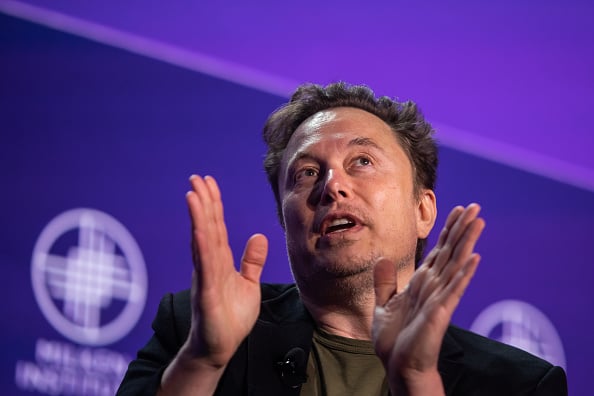
In a decisive ruling, Judge Charles Breyer has dismissed Elon Musk's efforts to overturn a previous jury verdict that found him liable for defrauding Twitter shareholders. The case stems from Musk's actions during his tumultuous $44 billion acquisition of Twitter in 2022, where he publicly questioned the platform's bot statistics, casting doubt on his own takeover bid.
The court's detailed 38-page decision reiterated that "buyer’s remorse is not an exception to the securities laws," setting the tone for the rejection of Musk’s post-trial motions which included requests for a new trial and a judgment as a matter of law. The judge did grant one minor concession related to a specific tweet on May 17, which lacked expert backing on its financial impact, but this was a small win in an otherwise comprehensive defeat for Musk.
At the heart of the trial, Musk's defense claimed he genuinely believed Twitter's user metrics were inflated by bots—an argument he felt justified his hesitance to proceed with the buyout as initially planned. However, this so-called "vibe-based defense" did little to sway the jury, which concluded that Musk’s sudden bot concerns were more likely a pretext linked to a drop in Tesla's stock value rather than a genuine issue.
Adding a layer of intrigue to the proceedings was Musk's assertion that the jury verdict was influenced by bias, specifically pointing to a damages figure written in blue ink — $4.20 — which he claimed was a reference to marijuana, alluding to his known usage of the number '420' as a joke. Judge Breyer dismissed this claim with a practical response about the use of different pens during the jury's deliberations and noted that Musk himself might have invited such interpretations with his own prior public statements linking the number to cannabis culture.
Moreover, Judge Breyer highlighted the inconsistency in Musk's argument about jury prejudice, pointing out that the same jury had cleared him on other significant aspects of the case. This partial acquittal undermined Musk's theory of a biased jury out to punish him regardless of the evidence or legal standards.
The ruling also touched upon Musk's failure to present his own expert testimony to counter the financial analysis presented by the plaintiffs, which Judge Breyer found particularly unconvincing given Musk's resources and the stakes involved.
In conclusion, the attempt to overturn the verdict on grounds of alleged juror bias and legal errors was comprehensively rejected, leaving Musk responsible for substantial damages amounting to over $2.6 billion. This case not only emphasizes the responsibilities of corporate leaders under securities laws but also underscores the complexities of high-stakes business acquisitions and the consequences of public statements made by influential executives.