July 8, 2026
Controversial Display: Judge Emil Bove Uses Trump Assassination Attempt Image as Phone Lock Screen
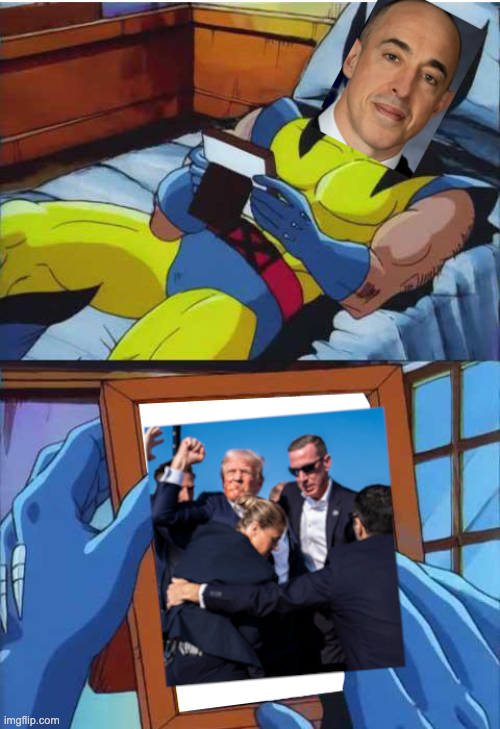
In a revelation that has stirred discomfort among colleagues and the public alike, Third Circuit Judge Emil Bove has set a highly provocative image as his phone's lock screen: a bloodied Donald Trump, fist raised, from the aftermath of a July 2024 assassination attempt. This choice has provoked intense scrutiny and debate about the implications of such a personal endorsement by a sitting federal judge.
Most people opt for familial photos or peaceful landscapes as their phone backgrounds, a reflection of their personal lives and values. However, Judge Bove's selection is neither soothing nor familial. According to a detailed report by The New York Times, sourced from three individuals familiar with the matter, this image has visibly unsettled many of Bove’s peers on the 14-seat court that serves Pennsylvania, New Jersey, and Delaware.
The image in question captures former President Trump post-assassination attempt, which he survived with miraculous rapid healing—dubbed akin to a starfish's regenerative abilities. Critics argue this lock screen choice not only questions Bove's professional impartiality but also his personal judgment, as it glorifies a violent and disturbing event.
Further intensifying concerns, Bove's history includes attending a MAGA rally and only recusing himself from cases directly linked to his prior work for Trump, leaving a broad spectrum of influential cases where his impartiality could be crucial. This selective recusal raises ethical questions, especially when contrasted with actions taken against other judges like Eleanor Ross, who faced calls for recusal and impeachment for perceived biases under arguably less direct circumstances.
The Justice Department’s recent actions in seeking Judge Ross's recusal from a Georgia election case due to alleged impartiality, underscore the disparity in handling similar issues within the judiciary. This case cited her attendance at a party for a Democrat known for prosecuting Trump, highlighting a potential conflict of interest that mirrors concerns surrounding Bove.
Amidst these controversies, the broader legal and public communities are left to ponder the ramifications of a judge who openly displays such a controversial symbol of political allegiance. The unsettling choice of a lock screen is more than a personal preference—it's a public statement from a federal judge, one that many believe steps over the line of judicial decorum and neutrality.
As the debate unfolds, the legal community and observers continue to watch closely, questioning whether the standards of impartiality and ethics uniformly apply across the judiciary or if some are indeed more equal than others in the eyes of the law.