July 8, 2026
Yale Law School Urges University Leadership to Resist Trump Administration's Legal Pressures
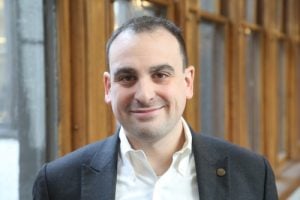
In a dramatic series of events, Yale Law School's dean, Cristina Rodriguez, and several faculty members are urging Yale University to halt negotiations with the Trump administration regarding an ongoing Department of Justice (DOJ) investigation into admissions policies. This unprecedented internal conflict highlights a stark disagreement on handling legal pressures imposed by the administration, which seeks to influence the university's admissions practices.
Yale Law School has historically supported its alumni vigorously, including Brett Kavanaugh, whose Supreme Court decision in 2023 helped eliminate race-conscious admissions. This decision now serves as the backbone of the DOJ's current push for Yale to make concessions that would allow the Trump administration greater control over the university's policies. This has sparked significant controversy within the law school, with many fearing that succumbing to these demands would jeopardize the university's autonomy and the broader principles of law.
Notably, other prestigious institutions have faced similar challenges from the administration but have taken different approaches. Harvard University, for example, successfully challenged the administration in court and secured the restoration of approximately $2.7 billion in federal grants. In contrast, Columbia University and other institutions have conceded to demands, only to face additional pressures later.
Yale's leadership contends that an agreement might be necessary to secure ongoing federal funding, a stance that has attracted criticism for potentially showing a lack of resolve compared to its academic peers like Harvard. The situation is further complicated by Yale's decision to hire McGuireWoods for negotiations, the same law firm that represented the University of Virginia in a similar case, which ended controversially with UVA's president resigning under DOJ pressure.
The debate within Yale underscores a broader concern about the independence of legal counsel and the integrity of academic governance under external political pressures. Former UVA president, James Ryan, expressed doubts about whether McGuireWoods attorneys had acted in the university's best interest or were unduly influenced by external political forces, raising alarms about the firm's role in Yale's ongoing negotiations.
As Yale Law School continues to advocate for a more confrontational and principled stand against the DOJ's demands, the university community and its observers are closely watching to see if Yale will indeed "find its spine" in dealing with pressures that challenge its core values and governance.