July 29, 2026
Bar Exam Blunders: California's Missteps Overshadowed by National and Missouri Exam Chaos
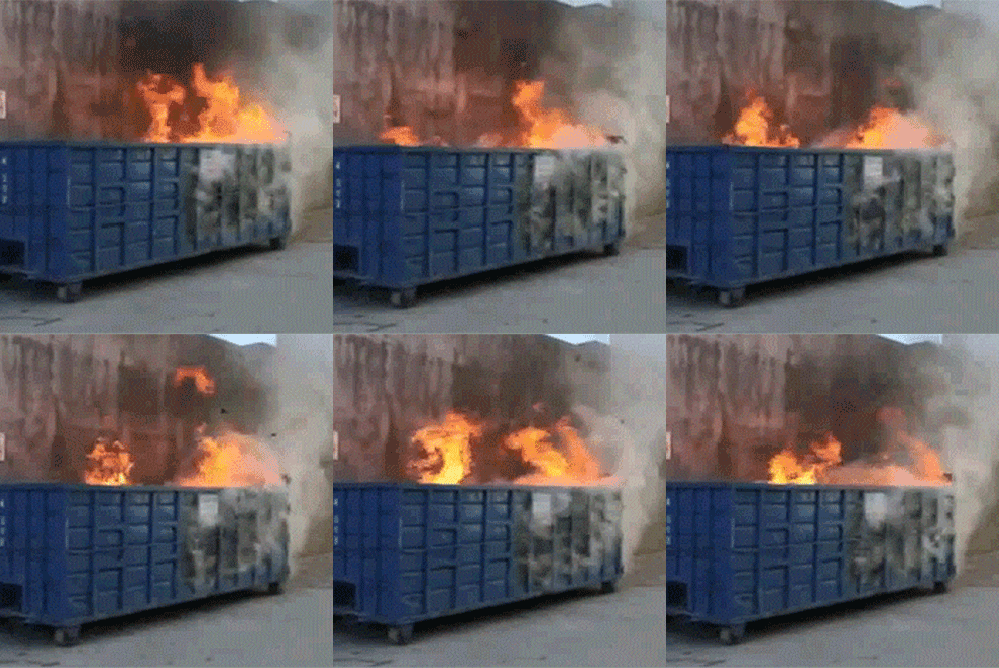
In a twist of fate, the legal community's focus on California's troubled attempt to administer its own bar exam has shifted dramatically. Last year, the state's rushed initiative, born from financial desperation, ended in a costly debacle, forcing a retreat back to the traditional National Conference of Bar Examiners (NCBE) format. Critics were quick to highlight California's failures, yet similar scrutiny was conspicuously absent when the NCBE itself stumbled.
Yesterday's nationwide bar exam mishaps, particularly in Missouri, have exposed significant flaws in the NCBE's administration, yet the media coverage has been notably muted. In Missouri, technical issues related to network bandwidth caused significant delays, disrupting the exam schedule and forcing candidates into an extended, stressful testing process.
According to firsthand accounts, the situation was chaotic. Test takers were shuffled to lunch early due to the inability to deliver the morning exam, only to face the daunting task of completing six hours of testing in one afternoon. A Reddit thread labeled the incident a "tech disasterclass," a term that captures the frustration and disarray experienced by many.
The problems were not limited to logistics. Reports from test centers described an unprofessional environment hardly conducive to high-stakes testing. Delays were rampant, with some candidates starting hours apart and others unable to start at all. Amidst this confusion, proctors were reportedly using cell phones and making announcements over PA systems, further detracting from the exam's integrity.
This episode is just the latest in a series of missteps that raise questions about the efficacy of the NCBE's testing procedures and its monopoly on the bar exam process. Despite years of preparation and a substantial financial cushion—the NCBE sits on a fortune of $187 million in assets—the organization struggled to deliver a smooth testing experience.
The recurring issues highlight a broader problem within the legal profession's approach to licensing attorneys. The reliance on a closed-book, generalist bar exam is increasingly seen as outdated and misaligned with the needs of modern legal practice. Many argue for a reevaluation of law school accreditation and a move towards specialized certifications that better prepare graduates for specific areas of law.
These developments should serve as a wake-up call for the legal community and regulatory bodies. It's time to rethink not only how we test but also what we are testing for, ensuring that future attorneys are equipped to serve the public effectively and ethically. As the dust settles on this latest bar exam debacle, one thing is clear: everyone involved deserves better.