August 5, 2026
Uncertain Future: The Long Road to Reversing Trump’s Tariffs
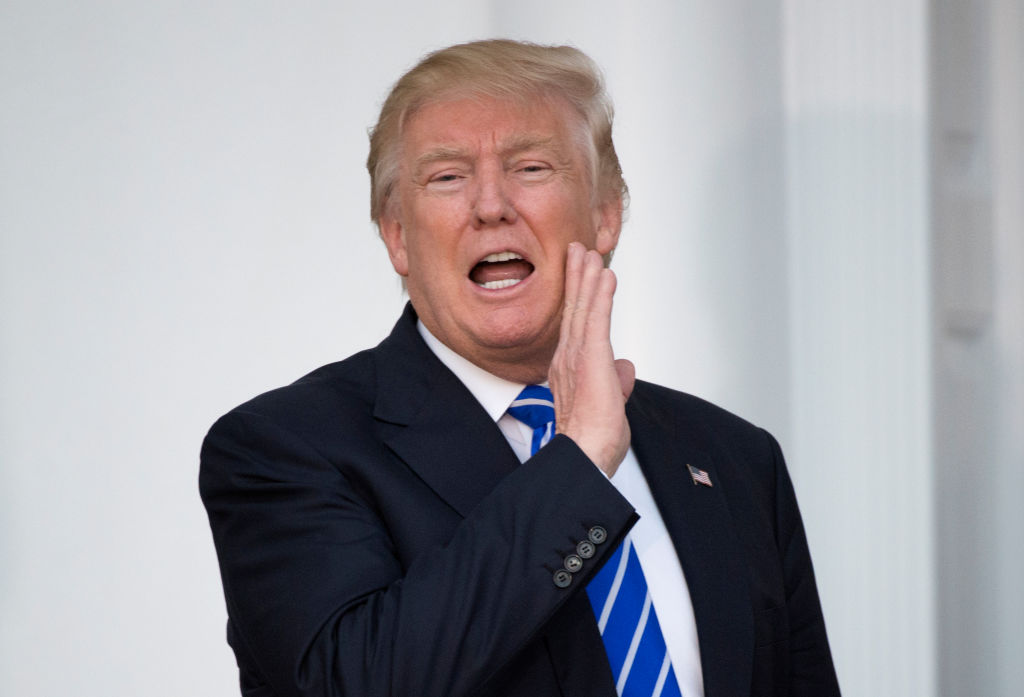
As the Trump administration prepares to wind down, many Americans are pondering whether to delay major purchases in anticipation of a potential rollback of the president's controversial tariffs. These tariffs, applied on a variety of goods from smartphones to automobiles, could significantly impact prices if removed. However, the reality of reversing these measures may not be as straightforward as some hope.
Following a Supreme Court decision that invalidated Trump's "Liberation Day" tariffs under the International Emergency Economic Powers Act (IEEPA), his administration sought alternatives to maintain these duties. Trump leveraged Section 301 of the Trade Act of 1974 and Section 232 of the Trade Expansion Act of 1962, among others, to impose and expand tariffs, citing reasons from national security to forced-labor concerns.
Critics argue that the tariffs were imposed arbitrarily and without sufficient legislative backing from Congress, which traditionally holds the power to regulate foreign commerce. The inclusion of allies like Japan and New Zealand in forced labor tariffs has raised eyebrows over the consistency of the administration's actions, suggesting that these tariffs serve more as economic leverage than corrective measures.
The path to reversing these tariffs hinges significantly on who succeeds Trump. A Republican president might maintain them, especially those justified by national security. Conversely, a Democratic successor might attempt to dismantle large parts of the tariff regime, although the potential loss of revenue could pose a dilemma for funding social programs.
Furthermore, geopolitical considerations and existing investment commitments made under the promise of tariff stability complicate any rapid changes. For instance, changes in policy towards Iran could affect tariff decisions, depending on diplomatic strategies of the incoming administration.
In conclusion, while many consumers might be waiting for a rollback of tariffs to make major purchases, such changes may not be imminent or comprehensive. The intricate web of legal, political, and economic factors suggests that any modification of Trump’s tariff policies will likely be gradual and selective. Thus, those in the market for big-ticket items might reconsider waiting for a tariff reform that could potentially take longer than anticipated.