August 7, 2026
Controversy Arises Over Judges Asking Lawyers to Handwrite Orders Post-Oral Argument
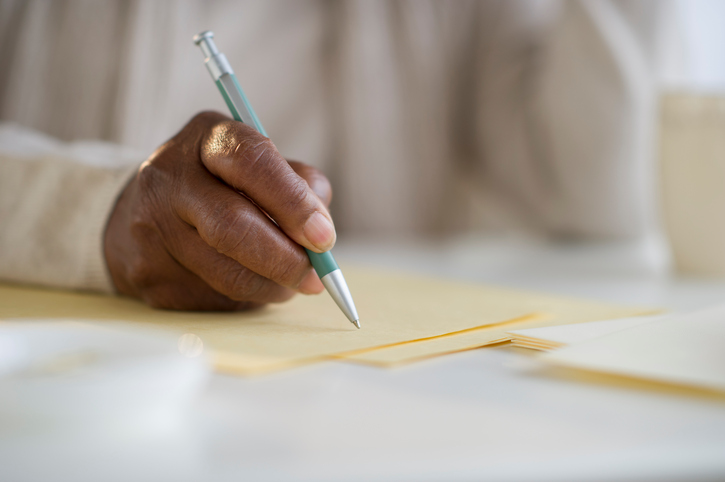
In the fast-paced world of courtrooms, an unusual practice has emerged where judges, immediately following oral arguments, ask lawyers to handwrite orders summarizing the court's decisions. This method, though not widespread, raises concerns about the precision and fairness of legal documentation.
This practice is ostensibly rooted in efficiency. Courtrooms are bustling environments, and having lawyers draft orders on the spot is seen as a way to quickly encapsulate the outcome of proceedings. Lawyers are expected to have a firm grasp on the case details, which theoretically positions them well to translate a judge's ruling into a formal order.
However, the reality is more complex. Following a ruling, lawyers may have differing interpretations of a judge's decision, influenced by their allegiance to their clients' interests. The immediacy of handwriting an order can lead to disputes over the language used, potentially skewing the document in favor of one party over another.
One major issue with this approach is the potential for confusion and error. Oral rulings can be nuanced, discussing multiple issues or tentative ideas before culminating in a final decision. If a lawyer is tasked with writing the order under these circumstances, there’s a significant risk of misinterpretation or omission of critical details.
Moreover, the physical act of handwriting under such conditions is less than ideal. Lawyers are typically focused on advocacy, not on capturing verbatim what is said during arguments. This can lead to inaccuracies in the written order, which may have far-reaching implications for the parties involved, affecting everything from discovery obligations to monetary judgments.
A more structured approach would involve allowing lawyers to draft proposed orders post-argument, providing an opportunity to consult transcripts and ensure all parties agree on the language before a judge finalizes the document. Alternatively, judges could dictate orders into the record or have court staff draft orders for straightforward cases, minimizing the chances of misrepresentation.
The current practice of having lawyers handwrite orders immediately after oral arguments can undermine the clarity and fairness essential to judicial proceedings. For the sake of all parties involved, it may be time to reconsider this approach and ensure that court orders are a clear, accurate reflection of a judge’s decision.