August 12, 2026
Costly Missiles, Cheap Targets: The Inefficiency of Modern Warfare Strategy
In the annals of military history, the misuse of expensive guided missiles against economically inconsequential targets continues to stand out as a glaring strategic folly. The modern guided cruise missile, a descendant of Nazi Germany's V-2 ballistic missile, exemplifies the limits of brute force in warfare. Despite the V-2's significant costs and the inhumane means of its production, it failed to crush the spirit of the British during World War II, arguably hastening the Nazi defeat by diverting vital resources.
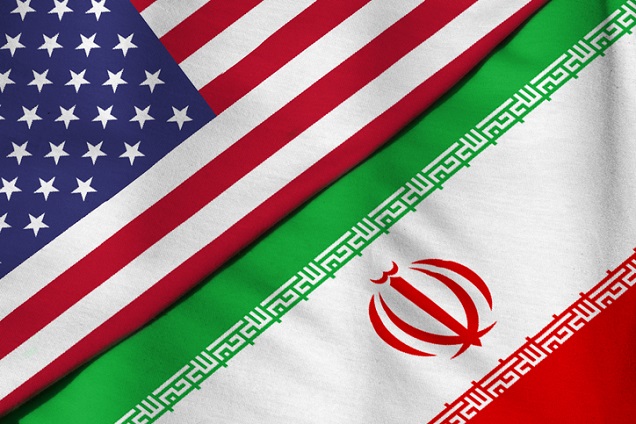
Today, similar misjudgments pervade modern conflicts, as seen in the recent U.S. military strategy against Iran. Reports indicate that in just the first month of the conflict, the U.S. expended over 850 Tomahawk cruise missiles, each costing up to $4 million. This massive outlay has depleted not just the U.S. arsenal but also its treasury, with little strategic gain to show for it.
Despite the impressive technology behind cruise missiles, their effective use on the battlefield is meant for precise, high-value tasks—not indiscriminate saturation bombing. The irony of using multimillion-dollar munitions to destroy targets of far lesser value is not just a financial misstep; it is a strategic blunder that has been criticized widely in military and financial circles.
The U.S. experience mirrors Russia's costly assaults in Ukraine, where significant resources were squandered with minimal strategic outcomes. Such actions have often bolstered the morale and resolve of those under attack rather than subduing them, a repetition of historical lessons unheeded.
The economic and strategic calculus of such warfare tactics is increasingly questioned. The logic of deploying costly missiles for low-value targets contradicts basic principles of military strategy and economic efficiency. This approach has not only failed to secure military objectives but has also strained national resources and arms production capacities.
As the U.S. faces defeat in Iran, reflecting on its strategy is not just advisable but necessary. The continued reliance on expensive, technology-driven projectiles without corresponding strategic gains calls for a reassessment of how modern wars are waged. Without a shift in strategy, the cycle of costly military engagements with limited results is likely to continue, underscoring the need for more judicious use of advanced military technologies.
With the war deemed a failure, the pressing question remains whether the current administration will learn from these missteps or proceed to the next foreign policy challenge without adapting its approach. The hope is that future strategies will better align the costs of warfare with the value of the targets and the broader strategic objectives.