August 17, 2026
The Catering Caper: A Loaf On The Move
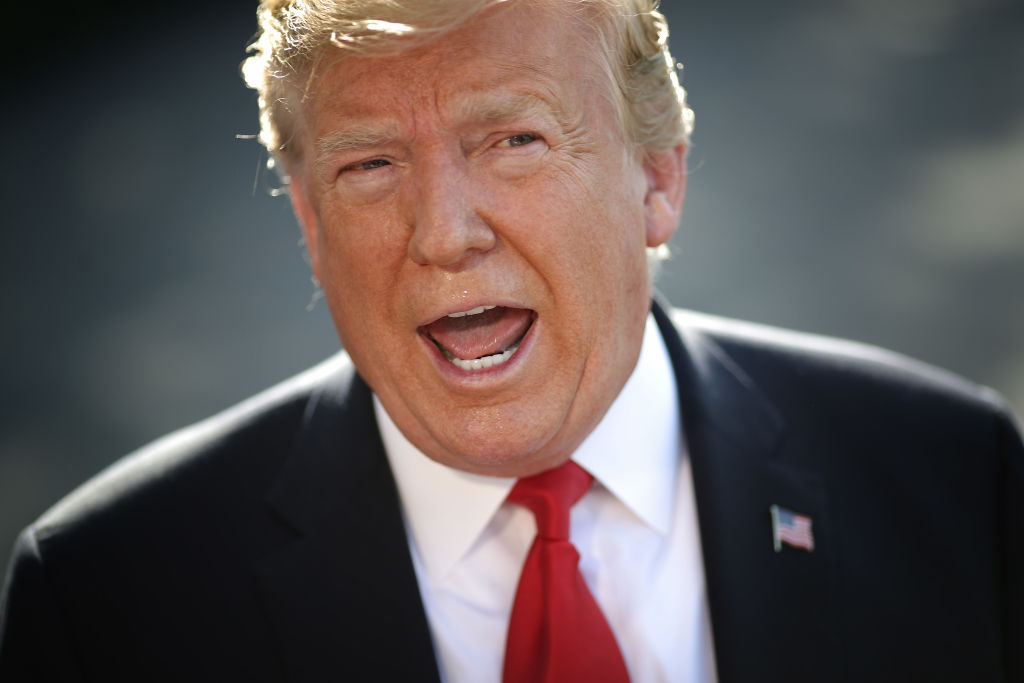
In a scene straight out of a spy movie, President Donald Trump left last month's NATO summit not by the gleaming new Qatari Air Force One, but by a convoluted series of vehicle swaps, culminating in his secretive departure on a third, undisclosed aircraft. This eyebrow-raising exit included a brief stint on an old version of Air Force One and a sneaky escape via a catering delivery truck.
Security protocols for presidential travel are nothing new. Historical precedents set by Presidents Bill Clinton, George W. Bush, and Barack Obama demonstrate the occasional necessity for covert travel due to security concerns. Each of these instances involved undisclosed travel to global hotspots, with the administrations promptly acknowledging the secretive movements once the presidents were safely out of harm's way.
However, the recent escapade with Trump deviates from past practices not just in execution but in the aftermath as well. After the subterfuge, when confronted by reporters, Trump implied a shared risk with the press on board the new Air Force One, stating, “If I go, you go. Right?” This misdirection suggests an attempt to mask not just the travel details but also the motivations behind them.
Further complicating the issue is the reaction once the true nature of the travel was revealed. Unlike his predecessors, Trump's administration did not immediately disclose the ruse post-departure. Instead, it led to a series of investigative reports and a confrontation with journalistic integrity itself, as the administration issued grand jury subpoenas to reporters who unearthed details of the escapade. These actions were later retracted, but not before raising serious questions about transparency and the use of power.
The implications of Trump’s departure extend beyond mere logistics. The use of the new Air Force One as potential bait for an Iranian missile strike, while leaving key staff and reporters unknowingly at risk, paints a troubling picture of the administration's regard for both safety and truth.
As the dust settles on this peculiar chapter of presidential travel, it prompts a broader reflection on the balance between security, transparency, and the ethical lines that may or may not have been crossed. The story of a president on the move, cloaked in layers of deception, leaves a lingering question: what else remains hidden in the shadow of such maneuvers?