August 19, 2026
Whistleblower Allegation Sparks Exodus of DOJ Civil Rights Attorneys Over License Concerns
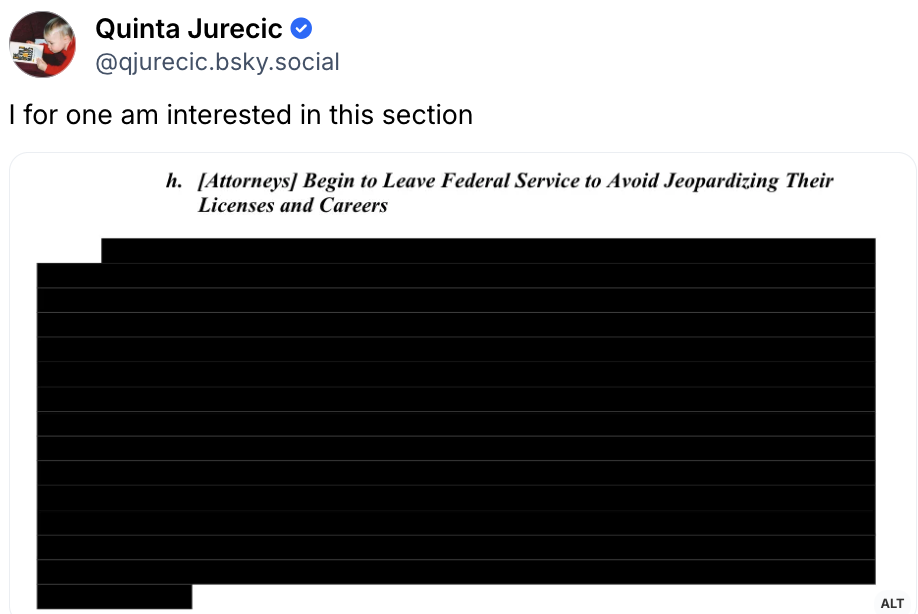
In a shocking revelation to Congress, a whistleblower has disclosed a concerning trend among Department of Justice civil rights attorneys who are resigning to protect their law licenses. The disclosure, submitted by the Government Accountability Project on behalf of former DOJ attorney Haley Van Erem, presents a critical look at the DOJ’s Task Force to Combat Anti-Semitism. This task force, although initially established to address increasing anti-Semitic violence, has reportedly been misused to coerce institutions into unfounded legal settlements.
The disclosure claims that under the current administration, legal and factual bases were often sidelined for political objectives, compromising the enforcement of civil rights and ignoring established legal processes. This has potentially placed the attorneys in jeopardy of violating the Administrative Procedure Act, risking their professional credentials.
The whistleblower document, redacted in parts for confidentiality, suggests a systemic issue within the DOJ where attorneys felt pressured into unethical practices. This includes manipulating legal actions against educational institutions based on scant evidence, such as a single article from the New York Post alleging anti-Semitic activities at medical school events.
Internal tactics described within the whistleblower report include forcing universities into legal battles by designing settlement offers they could never accept — referred to as a "poison pill" strategy. This approach aimed to extract financial settlements from these institutions by pulling funding and leveraging compliance through monetary penalties.
The consequences for the attorneys involved have been severe, with roughly 70 percent of the Civil Rights Division’s attorneys having left their positions. The whistleblower’s last day was noted as May 30, 2025, after being removed from major cases and assigned to seemingly punitive duties.
The DOJ has officially stated that it stands behind the integrity of its investigations. However, these claims are contradicted by the whistleblower’s detailed account, which suggests a troubling departure from standard legal and ethical practices.
This disclosure not only raises questions about the current operations within the DOJ’s Civil Rights Division but also about the broader implications for justice and civil rights enforcement under political pressure. As more attorneys leave, the focus is turning toward the potential long-term impacts on the DOJ’s ability to uphold justice equitably and without undue political influence. The legal community and public alike await further developments and clarity on these serious allegations.