August 20, 2026
Federal Judge's Remarks Sparks Outrage and Judicial Complaint for Anti-Muslim Sentiment
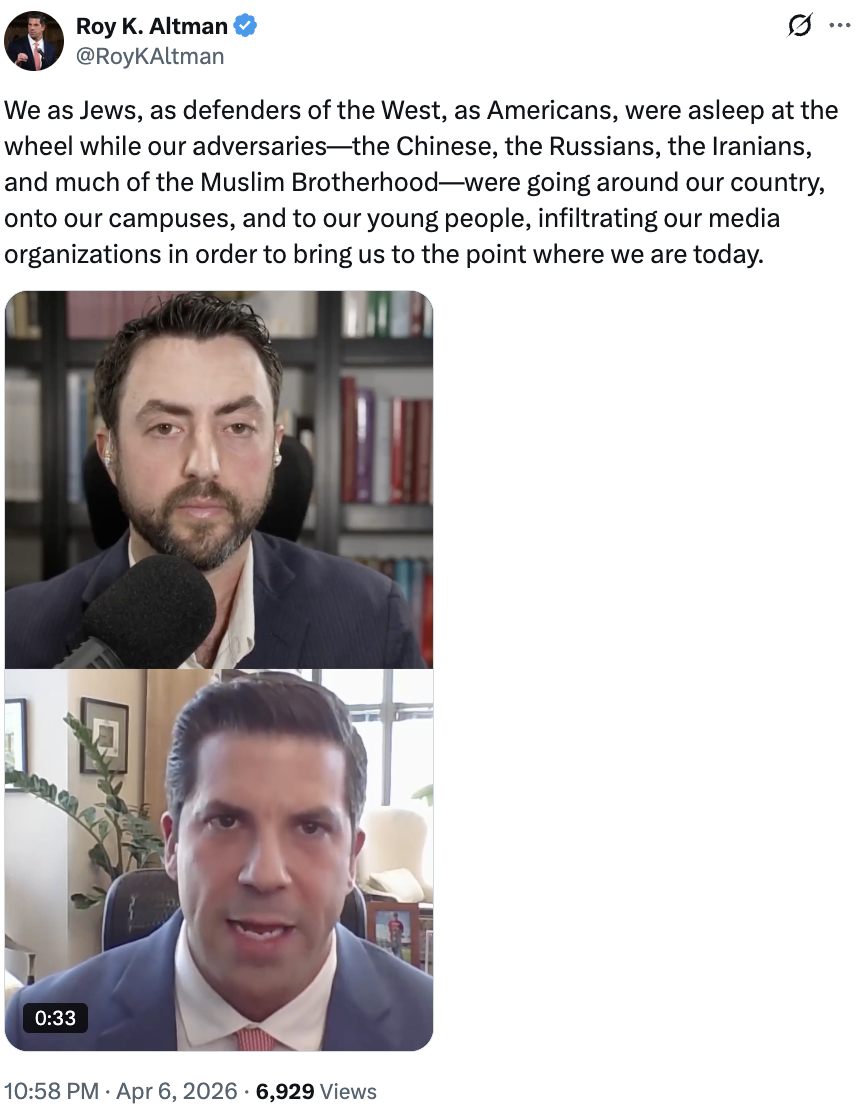
In a controversial turn of events, Judge Roy Altman of the Southern District of Florida has come under fire for his derogatory comments about the keffiyeh, an Arab headscarf, which he referred to as a “terror scarf.” This term was used during several public appearances, including a podcast with the anti-Muslim group, Middle East Forum, and a talk at Florida International University. These actions have led to a formal complaint lodged with the Judicial Council of the Eleventh Circuit, raising serious concerns about judicial impartiality and ethics.
Judge Altman, who authored the book *Israel on Trial*, has been known for his strong opinions regarding the Middle East. While his book attempts to scrutinize the Israeli government through the lens of the American judicial system, his public commentary has ventured into territory that many consider to be an abuse of his federal office. His remarks have not only involved inappropriate references to cultural attire but have also included unfounded and highly controversial claims, such as an assertion regarding Hamas and acts of extreme violence that have been thoroughly debunked.
The implications of these comments are profound, casting a shadow over the integrity of the judiciary. By using his federal position to propagate views that many see as bigoted against Muslims, Altman risks undermining public confidence in an impartial and fair judicial system. The situation is exacerbated by his use of judicial chambers for recording media appearances, which may violate the ethical guidelines that restrict the use of federal resources for personal or political agendas.
This incident has sparked a broader discussion about the role of federal judges and the extent to which their personal views should intersect with their official duties. Critics argue that Altman’s actions reflect a disturbing trend of using judicial authority to legitimize harmful stereotypes and conspiracy theories. This not only challenges the ethos of justice but also contributes to the broader patterns of prejudice and discrimination.
As the judicial complaint proceeds, the legal community and the public await to see how the Eleventh Circuit will respond. The outcome of this case could send a significant message about the limits of judicial conduct and the importance of maintaining the integrity and impartiality of the courts. Meanwhile, this incident serves as a reminder of the ongoing challenges in addressing bias and ensuring justice remains blind to race, religion, and ethnicity.