August 20, 2026
Exploring the Intersection of Neuroscience and Law: A Fresh Perspective on Legal Education and Practice
In an innovative twist to legal education, there's a burgeoning conversation about whether law schools should integrate neuroscience into their curriculum. The rationale? A better understanding of decision-making processes could significantly enhance a lawyer’s judgment, client interactions, and overall problem-solving capabilities. Critics might dismiss such a course as an easy pass, but the potential benefits in real-world legal practice are too compelling to ignore. Learning the ropes of neuroscience could arm new lawyers with critical skills for interviews and their crucial first jobs.
Continuing legal education (CLE) courses on neuroscience could also play a crucial role in refining lawyers' professional skills, particularly in fostering client relationships. The ability to create a trusting environment where clients feel comfortable sharing sensitive information is invaluable. After all, a lawyer’s strategy is only as good as the information they have.
Meanwhile, the legal landscape is also being reshaped by advancements in artificial intelligence (AI). A peculiar incident in Texas highlighted this shift when a plaintiff’s counsel unearthed that an expert witness’s AI-generated report was tailored to exonerate a client. This revelation, humorous yet unsettling, underscores the complexities and ethical dilemmas emerging from AI’s integration into legal practices.
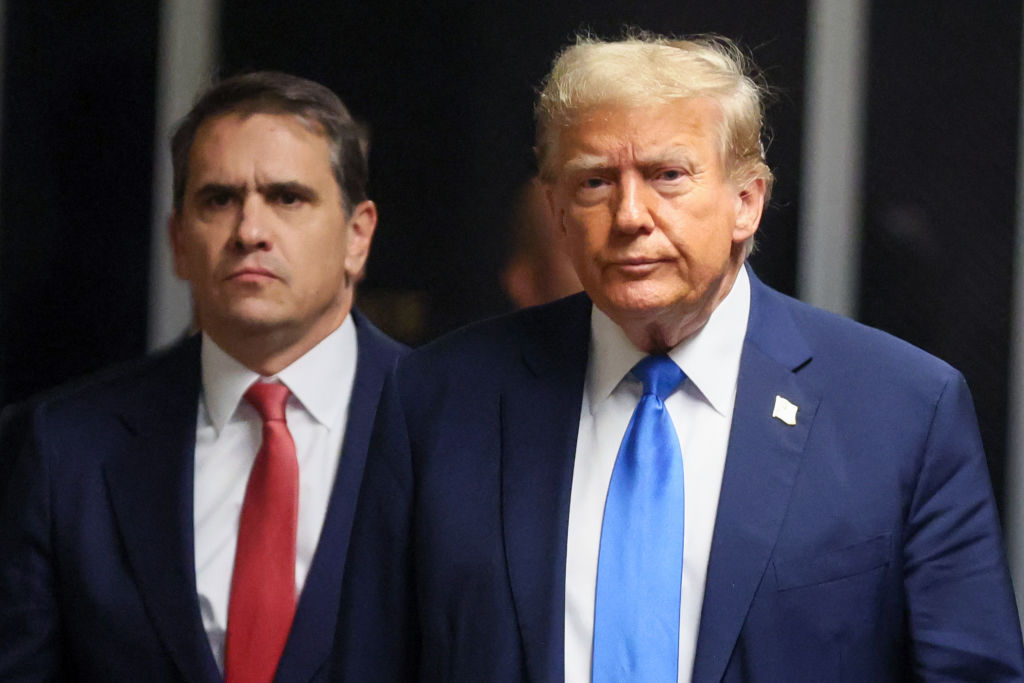
Shifting to the corridors of power in Washington D.C., the recent confirmation of Attorney General Todd Blanche has stirred controversy. Blanche's refusal to assert the Justice Department's independence from political influences underlines ongoing concerns about the impartiality of legal processes at the highest levels. This development, alongside decisions in high-profile cases like the dropped charges against a suspect accused of tampering with a reflecting pool, raises questions about the criteria used to pursue legal actions under his watch.
On the west coast, in what's been dubbed "Amateur Hour" by critics, the Central District of California has seen a series of prosecutorial failures against immigration protesters. This trend invites speculation about the influence of political motivations on legal judgments and the essential need for solid evidence before going to trial.
As these narratives unfold, they collectively paint a picture of a legal system at a crossroads, influenced by emerging technologies and ongoing political pressures. The incorporation of neuroscience into legal training could be a step toward more nuanced and effective lawyering, counterbalancing some of the more troubling trends in the justice system today.