September 2, 2026
The Marathon of Justice: Clarence Darrow and the 12-Hour Plea That Echoed Through History
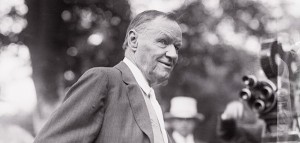
In the annals of American legal history, few names shine as brightly as Clarence Darrow. Known for his sharp wit and piercing eloquence, Darrow solidified his legacy during a trial that, while not as widely recognized as the Scopes Monkey Trial, showcased his unwavering commitment to civil liberties and his staunch opposition to the death penalty. This was the trial where Darrow delivered an exhaustive 12-hour closing argument, a marathon session that tested the endurance of jury and spectators alike.
The case in question unfolded in the early 20th century, during an era when the American justice system was grappling with issues of fairness and the morality of capital punishment. Darrow, who had already established himself as a formidable defender of the underdog, took on a case that would allow him to argue against a system he viewed as deeply flawed and unjust.
Over the course of 12 grueling hours, Darrow utilized every minute to weave a complex tapestry of legal theory, personal conviction, and emotional appeals. His argument wasn’t just a plea for the life of his client; it was an indictment of the death penalty itself. He challenged the jurors to consider the moral implications of their decision, urging them to rise above the zeitgeist of retribution and instead, embrace a more compassionate and progressive view of justice.
As Darrow spoke, the courtroom transformed. What began as a typical legal proceeding evolved into a profound discourse on human rights and justice. Reporters scribbled furiously as Darrow’s words resonated beyond the wooden confines of the courtroom, reaching an audience across the nation. His closing statement didn’t just aim to spare his client from the gallows; it sought to ignite a broader conversation about the role of mercy and justice in society.
Darrow’s efforts were not in vain. His impassioned plea contributed to a growing skepticism of capital punishment in the United States, echoing through subsequent legal debates and reforms. Though the specifics of the case are less remembered than those of the Scopes trial, the impact of his 12-hour argument endures as a testament to the power of persuasive speech and the enduring quest for justice.
Today, Clarence Darrow is remembered not only as a master orator but as a pivotal figure in the ongoing dialogue about civil liberties and the death penalty. His marathon closing statement stands as a monumental moment in legal history—a reminder of the impact one dedicated individual can have on the course of justice.